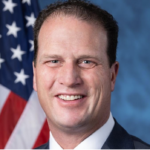

U.S. Representative Dan Crenshaw (R) has received support from a coalition of more than two dozen conservative, free-market, and taxpayer advocacy organizations for the Rep.'s Recycling Technology Innovation Act, which aims to modernize federal recycling policy and boost domestic manufacturing.
The bill seeks to clarify federal law by classifying advanced, or chemical, recycling as a manufacturing process rather than waste incineration. Supporters argue that this distinction is critical to removing long-standing regulatory uncertainty that has discouraged private investment and slowed innovation in recycling technologies.
"Our problem isn't plastics, it's plastic waste," said Crenshaw. "If we want cleaner commnities, stronger supply chains, and reshoring American manufacturing with good paying jobs, then we should be empowering innovators -- that's what this legislation does."
He added that the bill provides "common-sense regulatory certainty manufacturers need," while supporting an industry that plays an important role in the Houston-area economy and workforce.
In a joint letter addressed to Rep. Crenshaw and Rep. Gary Palmer (R-AL), 26 organizations urged Congress to support the legislation. Some of the organizations included:
- National Taxpayers Union
- Americans for Prosperity
- The Competitive Enterprise Institute
- Independent Women's Forum
- The Consumer Action for a Strong Economy
The groups described the legislation as a key step toward regulatory consistency, economic growth, and environmental improvement.
"This important legislation provides much-needed regulatory clarity for advanced recycling technologies, giving businesses the long-term certainty necessary to develop and succeed," the coalition wrote.
Advocates also highlighted that the bill aligns federal definitions with policies already adopted in 25 states. They argued this alignment would reduce legal risk, streamline permitting, and strengthen domestic supply chains.
According to the coalition, inconsistent regulation -- particularly under the Clean Air Act and certain state laws -- remains the primary obstacle to growth in advanced recycling, not a lack of available technology.
The Recycling Technology Innovation Act continues to be under consideration in the U.S. House of Representatives.