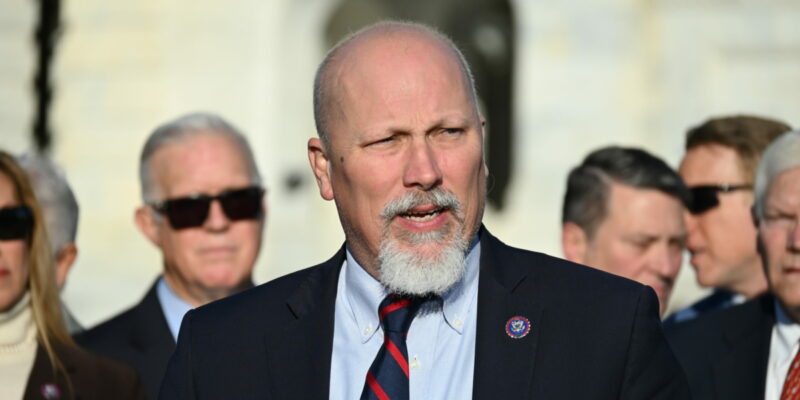

U.S. Representative Chip Roy (R) is continuing to press AMPYR Energy for answers regarding a proposed large-scale solar and battery energy storage system (BESS) project planned near Willow City, a rural community in Gillespie County, Texas.
The project site is located near the area affected by last year's Crabapple Wildfire, heightening local concerns about safety and environmental impact.
In a recent letter, Rep. Roy emphasized that his office has yet to receive responses to questions originally submitted in November regarding the size and safety of the project.
"There are several urgent questions that my constituents and I need answered regarding the energy project located near Willow City in Gillespie County, TX," wrote Rep. Roy. "It is my understanding that it will be composed of both battery energy storage systems and solar panels."
Roy noted that he sent a formal letter to AMPYR Energy on November 25, 2025, requesting responses by December 10, 2025, but he has yet to receive a reply.
"As of today's date, I have yet to recieve a reply from AMPYR. My office requires answers to adequately assist my affected constituents," Roy press.
The congressman stated that his office continues to receive phone calls and correspondence from concerned residents, particularly regarding the potential effects of the project on the Hill Country environment, public safety, and nearby property values.
The concerns raised by Roy come as AMPYR has signed an interconnection agreement for its 150-megawatt Marshall Springs Solar project in Gillespie County, advancing a development that has drawn significant opposition across the Texas Hill Country.
According to filings with the Electric Reliability Council of Texas (ERCOT), the Marshall Springs Solar project will connect with the grid at LCRA Transmission Services Corporation's Crabapple substation at 130 kilovolts.
The project's proximity to the area, recently impacted by wildfire, has fueled fears about fire risk and emergency response capabilities in a predominantly rural region.
Roy's continued outreach underscores growing local frustration and the demand for transparency as large-scale renewable energy projects expand into rural Texas communities.