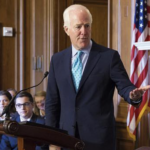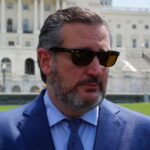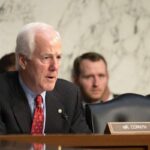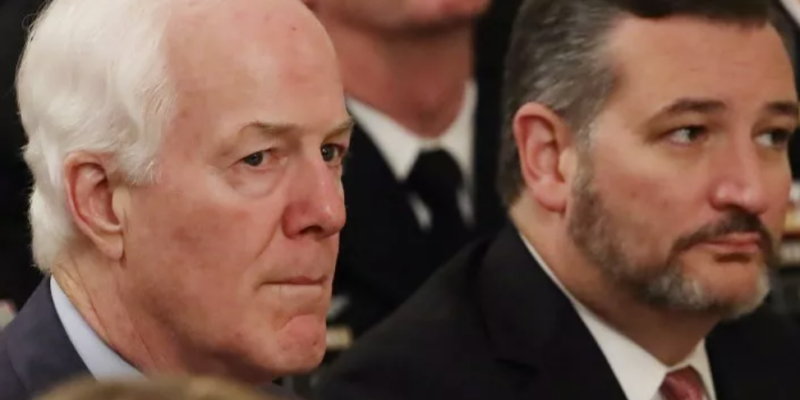

U.S. Senators Ted Cruz (R) and John Cornyn (R) voiced strong support following the U.S. military strikes against the Iranian regime, praising President Donald Trump and American armed forces for the operation.
Sen. Cruz, a member of the U.S. Senate Foreign Relations Committee, said the strikes reflect a systematic effort to confront long-standing threats to American national security.
"Under President Trump's leadership, the United States is systemically acting against American enemies who have undermined our national security since the Cold War," said Cruz.
He accused the Iranian regime of "terrorizing and murdering Americans for 47 years," including civilians, service members, and American leaders, and claimed the Ayatollah has repeatedly attempted to assassinate President Trump while pursuing nuclear weapons capabilities.
Cruz praised the U.S. Armed Forces, the intelligence communities, and Israeli allies, saying he was "deeply appreciative" of Israel's partnership in confronting shared threats. "May God protect our servicemembers," he concluded.
Sen. Cornyn released a separate statement following the strikes, which were conducted under what was identified as Operation Epic Fury. He described Iran as having destabilized the Middle East and waged "an all-out assault on the West and our values."
"With today's strikes by U.S. forces led by our Commander-in-Chief, President Trump, there is finally an opening for these dark days to come to an end," said Cornyn.
The Texas Republican expressed hope that the Iranian people would ultimately experience freedom after what he described as years of oppression.
Cornyn also extended support to American troops and Israeli military personnel involved in the operation, calling the Islamic Republic of Iran a "purveyor of terrorism and radical Islam."
The statements signal unified backing from Texas's U.S. senators for the administration's military action and underscore alignment with the White House on confronting Iran. As developments unfold, the strikes are expected to shape ongoing debates over U.S. foreign policy and regional stability.