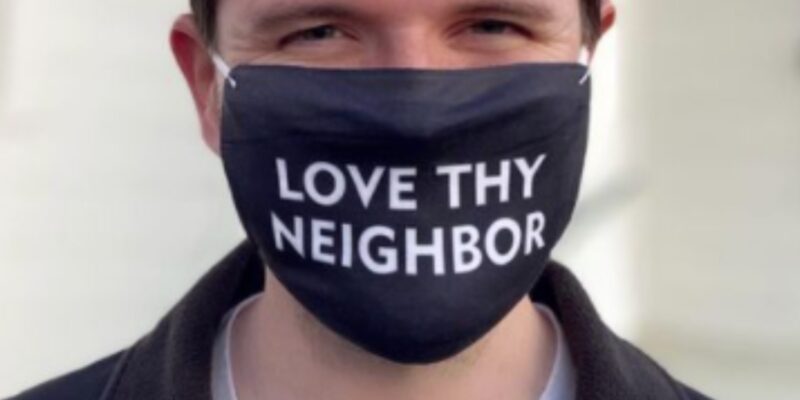

Democratic Senate nominee and Texas state Rep. James Talarico (D) is drawing renewed attention after a resurfaced video shows him arguing that the Christian faith requires action on climate change, adding to a broader record of controversial statements on religion and politics.
"You can't call yourself a Christian and destroy God's creation with greenhouse gases," said Talarico in the video, framing environmental management as a religious obligation.
The comments align with his past legislative efforts, including the proposed Texas Climate Action Act (HB 2206), which sought to significantly reduce greenhouse gas emissions in the state. Though the bill did not pass, it reflected Talarico's long-standing focus on climate policy.
His remarks have reignited debate in Texas, where the economy remains heavily tied to oil and gas production. The industry contributed an estimated $385 billion to the state economy in 2025 and supports hundreds of thousands of jobs, underscoring the political sensitivity of climate-related proposals.
Talarico's statements on faith have frequently drawn criticism from conservatives. In the same video, he argued that opposition to immigration policies could conflict with Christian values.
"You can't call yourself a Christian and reject the stranger seeking asylum at our southern border," Talarico added.
He has also made broader claims about religion and identity in past appearances, including arguing that people of other faiths, or no faith, can embody Christian values more than some self-identified Christians. Moreover, he has expressed theological views about gender and God that have sparked backlash.
Supporters, however, have framed his comments as an attempt to connect faith with social and environmental responsibility, while critics argue they politicize religion and alienate traditional Christian voters.
As Talarico continues to emerge as a prominent Democratic voice in Texas, his blend of faith, climate policy, and social issues is likely to remain a flashpoint in the state's ongoing political and cultural debates.