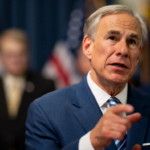
A bold initiative championed by Governor Greg Abbott (R-TX) to develop a psychedelic treatment for veterans and addiction sufferers has run into an early obstacle, forcing Texas to rethink its approach before research even begins.
Gov. Abbott signed legislation last year creating a public-private consortium aimed at turning ibogaine, a powerful extract derived from an African shrub, into an Food and Drug Administration (FDA) approved medication.
The treatment has drawn growing attention for its reported effectiveness in addressing addiction, traumatic brain injury, and PTSD. Lawmakers backed the effort with $50 million in state funding, positioning Texas as one of the most aggressive investors in psychedelic medicine research in the country.
The plan hinged on attracting a private drug company to partner with Texas universities and hospitals, bringing industry expertise needed to navigate the lengthy FDA approval process.
However, that part hasn't worked out.
Recent Announcement
Now, state officials announced Tuesday that no company met the requirements to qualify for the partnership, prompting Lt. Gov. Dan Patrick (R-TX) and House Speaker Dustin Burrows (R-TX) to announce Texas would move forward using its own network of medical researchers instead.
Reports show drug policy experts say the state may have set expectations too high from the start. To qualify, companies had to match the state's $50 million investment, establish a Texas corporate presence, and commit 20% of future drug sales revenue back to the state, all before FDA approval was anywhere in sight.
For an experimental treatment that carries significant regulatory uncertainty, those terms proved unattractive.
UTHealth Houston, working alongside the University of Texas Medical Branch at Galveston, has already been selected to lead a two-year clinical trial.
Rising Questions
But questions remain about whether Texas can legally release its $50 million without the private match required by the original legislation, potentially necessitating legislative fixes before work can proceed.
Even as Abbot proclaimed that “[with] a $50 million investment & partnerships with top medical institutions, this effort will advance a path to FDA approval & expand care for veterans.”
Analysts also caution that $50 million may fall well short of what full FDA drug development ultimately demands, with total costs potentially exceeding $100 million.
Currently, state leaders insist the program remains fully funded and on track.