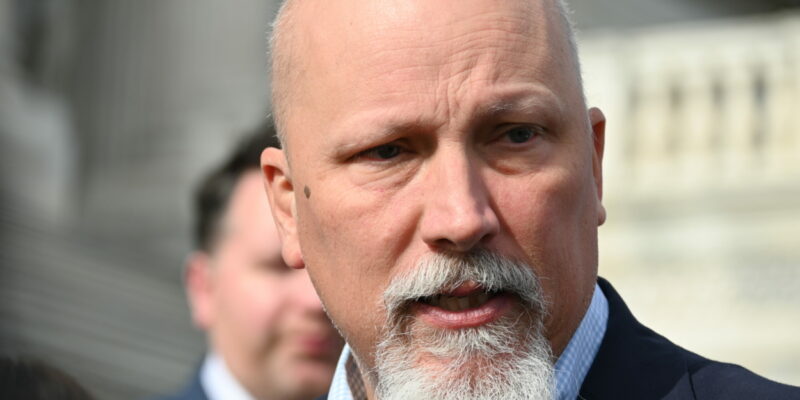

U.S. Representative Chip Roy (R) is calling on federal officials to rescind an Obama-era policy that he argues has discouraged states from collecting immigration-status data in public schools.
In a letter sent to Assistant Attorney General Harmeet Dhillon and Education Secretary Linda McMahon, Roy contends that existing federal guidance has had a "chilling effect" on states' ability to gather basic demographic information necessary for managing education systems.
"While framed as civil rights guidance, this policy has had the practical effect of chilling lawful data collection," wrote Roy, pointing to concerns from states like Texas and local school boards that have avoided collecting such data.
🚨 NEW: Rep. Roy Urges Feds to Roll Back Obama-Era Ban on Collecting Immigration Data in Schools.
➡️ "Roy argues this guidance has left schools unable to 'allocate resources, ensure accountability, and serve students effectively,' particularly in states that have experienced…
— Rep. Chip Roy Press Office (@RepChipRoy) April 8, 2026
Roy argued that federal law does not prohibit states from gathering immigration-status information for administrative purposes, citing Plyler v. Doe, the Supreme Court case guaranteeing access to public education regardless of immigration status.
He emphasized that while the ruling ensures access, it does not bar states from collecting data to better understand and serve their student populations.
Roy said access to such data would help states improve resource allocation, program design, and long-term planning in K-12 education systems. He also stressed the role of states overseeing public education, arguing that federal guidance should not interfere with their authority to manage schools effectively.
He urged the departments to review and potentially rescind the 2011 "Dear Colleague Letter" and its 2014 reaffirmation, which he says no longer align with current policy priorities.
Roy's request adds to ongoing national debates over immigration, education policy, and states' rights, as federal agencies face increasing pressure to revisit past guidance affecting local school systems.