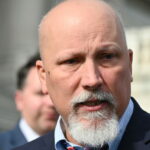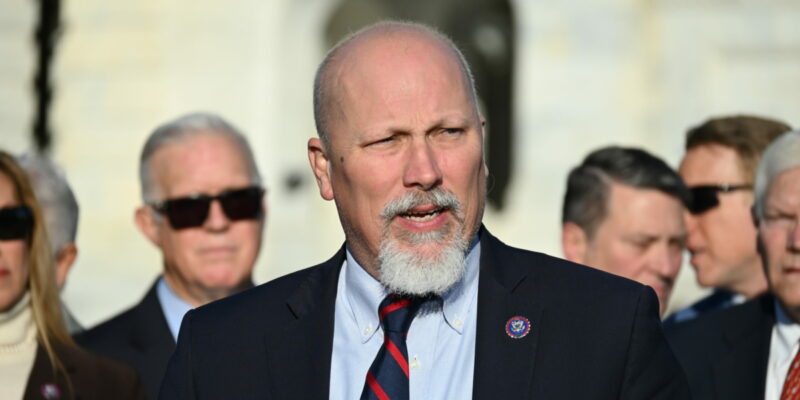

U.S. Representative Chip Roy (R) has introduced new legislation aimed at designating the Council on American-Islamic Relations (CAIR) as a Specially Designated Global Terrorist Organization.
The proposal, titled the Designating Hamas Affiliates in America Act of 2026, would require the federal government to freeze the organization's assets, prohibit Americans from engaging with it, and revoke its tax-exempt status.
"CAIR is not some innocent 501 (c)(3) organization – they facilitate terrorism while operating under the guise of a nonprofit," said Rep. Roy in a statement announcing the bill. "No organization that aids terrorism should financially benefit from it, especially on U.S. soil."
🚨 NEW: Rep. Roy introduces bill to designate the Council on American-Islamic Relations (CAIR) as a Specially Designated Global Terrorist Organization, blocking its assets, prohibiting U.S. persons from interacting with the organization, and revoking it 501(c)(3) tax-exempt…
— Rep. Chip Roy Press Office (@RepChipRoy) April 9, 2026
The legislation represents one of the most aggressive efforts by a member of Congress to target a U.S.-based advocacy group under federal terrorism designations. If enacted, it would significantly restrict CAIR's operations and financial activities.
"For thirty years, CAIR has exploited America's openness to serve as Hama's most effective lobbyist on U.S. soil," said Roman. "Congressman Roy's legislation finally treats that threat with the seriousness it deserves- not with symbolic gestures, but with the full weight of federal law."
Roy has expressed past criticism for CAIR, and in a recent interview with Texas Politics, he stated that he believes that "the Muslim Brotherhood and CAIR are massively intertwined," and that Muslim Organizations are part of a broader national security concern.
The bill is expected to face significant legal and political scrutiny, particularly over First Amendment protections and the standards required to designate a U.S.-based organization as a terrorist entity.
Roy's proposal is likely to intensify debate in Washington over national security, civil liberties, and the limits of federal authority in regulating domestic organizations.