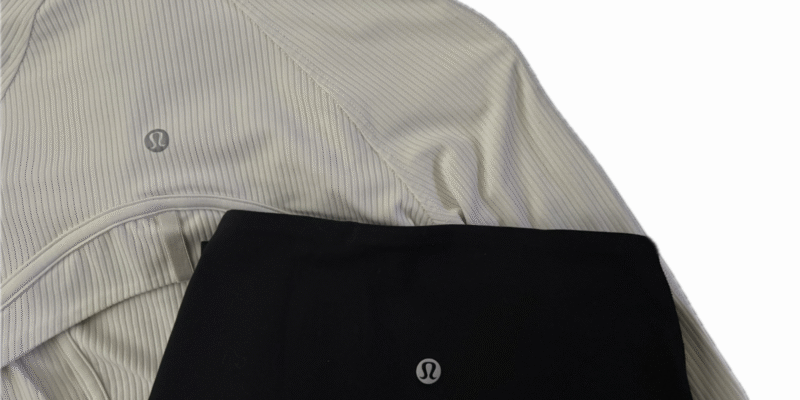

Lululemon has built a billion-dollar empire selling the idea of healthy living. Now, Texas Attorney General Ken Paxton (R-TX) wants to know if the clothes themselves tell a different story.
AG Paxton's office issued a Civil Investigative Demand to Lululemon USA Inc. on April 13, 2026, kicking off a formal investigation into whether the activewear giant has been misleading customers about what's actually in its products.
The target: PFAS, a family of synthetic compounds known as "forever chemicals" for their stubborn refusal to break down in the human body or the environment.
Now, the health stakes are significant.
Researchers have linked PFAS exposure to cancer, infertility, and endocrine disruption, conditions that stand in sharp contrast to the image of vitality Lululemon projects in its marketing.
Uncovering the Truth
Paxton's office argues that customers who pay a premium for a brand they believe is wellness-oriented deserve to know the truth.
"I will not allow any corporation to sell harmful, toxic materials to consumers at a premium price under the guise of wellness and sustainability," Paxton said. "If Lululemon has violated Texas law, it will be held accountable."
Investigators will dig into the company's internal Restricted Substances List, its product testing protocols, and its supply chain practices to determine whether Lululemon's safety claims hold up under scrutiny.
The company, which pulled in more than $11 billion in global revenue in fiscal year 2025, operates stores in Houston, Dallas, Austin, San Antonio, and other Texas cities.
The investigation arrives at an uncomfortable moment for a brand that has long positioned itself at the intersection of performance, sustainability, and consumer trust. If PFAS are found in its apparel, the gap between Lululemon's carefully crafted image and reality could prove costly, legally and reputationally.
Lululemon has not issued a public comment in response to the probe.
Currently, the case joins a growing list of consumer protection actions targeting chemical transparency in the apparel industry, where synthetic fabrics are standard, and marketing language often outpaces ingredient disclosure.