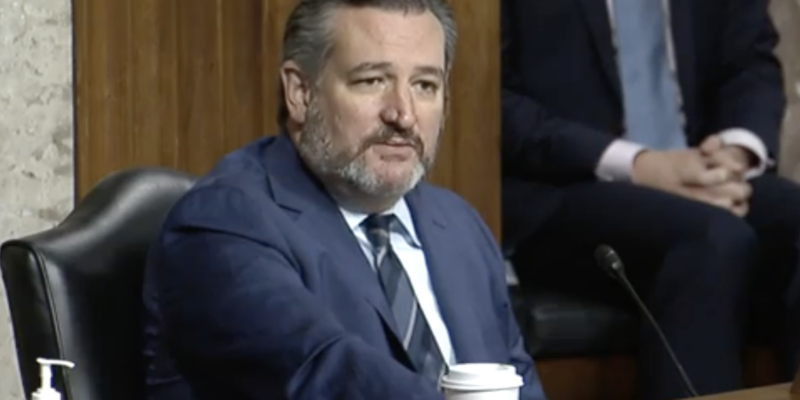

Senators Ted Cruz and John Cornyn, joined by 35 U.S. representatives, introduced the Back the Blue Act earlier this week.
According to a press release, the act will provide more legal protections for law enforcement officers. Both Texas Senators echo the message that officers should not be targeted.
“We cannot and should not tolerate criminals who kill or attempt to kill law enforcement officers,” said Sen. Cruz, introducing the bill. ”They should face the full force of the law.”
The bill will apply protections to all United States law enforcement officers across the states and territories in possession of the U.S. government.
In addition, the legislative measure will strengthen existing laws that protect law enforcement and expand their “Second Amendment rights.” It will also make a “specific aggravating factor” for those who target officers.
“Our law enforcement officers bravely risk their lives daily to protect our communities, and anyone who targets them should be met with the full force of the law, including the death penalty,” said Cornyn.
The bill was first introduced in 2016 after 5 police officers were shot and killed in Dallas. The bill was introduced again in 2023.
If passed, the measure will provide more legal protections for officers and expand their powers regarding the law second amendment.