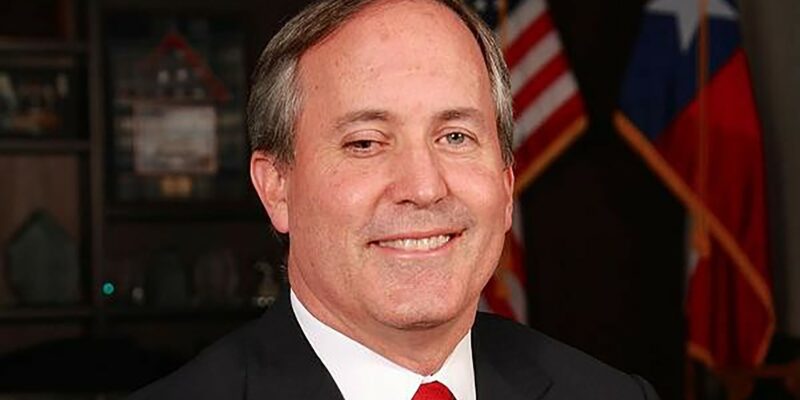

Texas Attorney General Ken Paxton has secured a legal victory against Samsung, obtaining a court order that halts the company's use of technology that allowed it to collect detailed viewing data from Texans inside their homes without proper consent.
Samsung is one of five major television manufacturers accused of unlawfully collecting personal consumer data through Automated Content Recognition (ACR) technology.
According to court filings, the software captured screenshots of television displays approximately every 500 milliseconds, monitoring viewing activity in real-time and transmitting that data back to the company without the consumers' knowledge or authorization.
The Temporary Restraining Order (TRO) issued by the district court prohibits Samsung from continuing to collect, use, sell, transfer, or share ACR data tied to Texas consumers. The court found good cause to believe Samsung's conduct violated, or was likely to violate, the Texas Deceptive Trade Practices Act.
"The days of Big Tech digitally invading Americans' homes and spying on them are over," said Paxton. "The right to privacy is fundamental, yet for too long smart TV manufacturers like Samsung were secretly using advanced technology to spy on Texans without their knowledge."
The order is the latest development in Paxton's broader effort to curb the use of ACR technology by smart TV manufacturers.
The Office of the Attorney General has filed lawsuits against five major television companies, alleging that they collected sensitive consumer data without obtaining meaningful consent and then monetized that information for profit.
"Now, after filing our lawsuit just a few weeks ago, we've secured a court order stopping this unlawful monitoring," said Paxton. "This is a major win for Texans and for digital privacy."
The Samsung TRO follows a similar order Paxton recently secured against Hisense, a television manufacturer with ties to the Chinese Communist Party. Paxton's office has argued that such practices expose consumers to serious privacy risks, including the potential collection of sensitive personal information displayed on screens within private homes.
The case remains ongoing as Paxton continues pursuing permanent relief and accountability for alleged violations of Texas law.