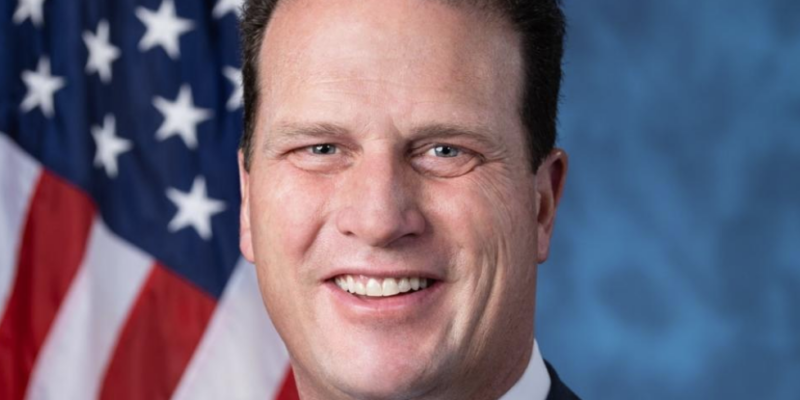

U.S. Congressman August Pfluger (R) pressed for greater flexibility for rural communities during a House Energy and Commerce Subcommittee on Environment hearing. Representing Texas' 11th Congressional District, Pfluger highlighted the unique water challenges facing drought-prone areas of West Texas.
Pfluger emphasized that access to clean drinking water is "non-negotiable," but argued that burdensome federal regulations and misaligned funding structures often create outsized challenges for small water systems.
He noted that many rural utilities lack in-house compliance departments or legal counsel, making it difficult to navigate federal monitoring requirements, reporting standards, labor rules, and procurement mandates.
"When Washington adds new mandates... these requirements land on rural communities in an outsized and negative way," said Pfluger, adding that regulatory burdens ultimately impact ratepayers in small communities.
During questioning, Pfluger asked Nicole Murley, Deputy Inspector General performing the duties of Inspector General at the U.S. Environmental Protection Agency, whether rural systems face barriers in accessing federal infrastructure funds.
Murley cited oversight work examining state capacity to manage funds from the Infrastructure Investment and Jobs Act, noting that states face varying human, technical, and organizational challenges.
Pfluger also raised concerns about long-term water reliability planning in drought-prone regions reliant on groundwater amid population growth.
Eric Hill, General Manager of the Russellville Water & Sewer Board in Alabama, described proactive drought mitigation efforts in his community, including pipeline expansions and pump station installations to secure alternative water sources.
"So we ran into droughts in the 90s. We laid a 10-inch HDPE line on top of the ground. We put a pump station into a larger source, and we got ahead of that problem, and we ended up putting a pump station on a reservoir, which is larger than our primary reservoir," said Hill. "Today, I'm here to proudly say we should not be in another drought condition, because our board has the insight and understanding of how important that water is for industry and communities to thrive."
Pfluger reiterated his commitment to advancing policies that protect public health while avoiding unfunded mandates and excessive bureaucracy for rural systems. He noted that he looks forward to translating the hearing's discussion into "commonsense, meaningful legislation."
The exchanges highlight ongoing tensions between federal regulatory frameworks and the operational realities facing small water systems. As lawmakers consider future reforms, rural communities remain central to the debate over safe, reliable, and affordable drinking water.