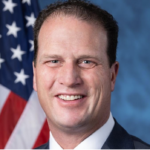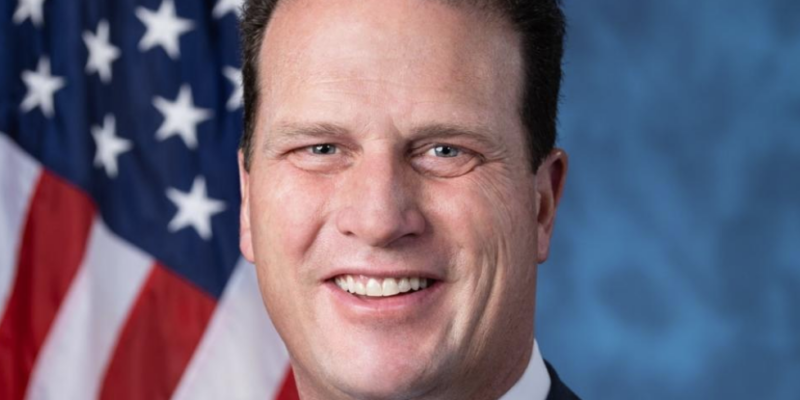

U.S. Representative August Pfluger (R) secured a major legislative win as his Defending American Property Abroad Act of 2026 passed the House in a 247-164 vote, drawing support from 41 Democrats alongside Republicans.
The bipartisan measure aims to protect American companies operating overseas from foreign governments that seize or interfere with U.S.-owned assets. The legislation now heads to the Senate for consideration.
"Today's House passage... is a necessary step to protect American businesses and workers from unfair treatment overseas," said Rep. Pfluger. "It sends a clear message... that the United States will not tolerate this behavior."
The bill strengthens U.S. maritime and trade enforcement mechanisms, allowing for retaliatory actions against countries that unlawfully confiscate American property. Lawmakers say the effort is critical to safeguarding economic and national security interests tied to U.S. investments abroad.
The legislation is partly driven by an ongoing dispute involving Vulcan Materials Company, whose operations in Mexico were shut down by the government under then-President Andres Manuel Lopez Obrador.
U.S. officials argue the move violates the United States-Mexico-Canada Agreement (USMCA), raising concerns about the treatment of American Businesses in foreign markets.
Top House Republicans praised the bill's passage, emphasizing its role in reinforcing property rights and deterring foreign interference. House Speaker Mike Johnson said the measure "reaffirms America's commitment to the rule of law," while Majority Leader Steve Scalise called it essential to protecting economic growth and national security.
Supporters argue that U.S. investments abroad are closely tied to domestic job creation and supply chain stability, making protections against foreign asset seizures increasingly important.
With strong bipartisan backing in the House, Pfluger's legislation signals a tougher U.S. stance on protecting American business interests globally, setting up a key test in the Senate over how far Washington is willing to go in confronting foreign governments over economic disputes.