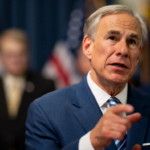

Congressman Keith Self (R-TX) is making a straightforward argument: if Republicans want to keep the border secure after Trump leaves office, they need to stop relying on executive orders and start passing laws.
Self is among the House Freedom Caucus members pushing for a vote on the Permanent Trump Secure Border Act before November's midterm elections.
The legislation would codify several of President Donald Trump's signature immigration policies into federal law, including completing the border wall, ending catch-and-release practices, and setting stricter standards for asylum requests.
"President Trump won't be president forever," Self emphasized. "The moment he leaves office, future administrations could tear down every border security measure with a single executive order. That's why we must codify ALL border security measures in Congress. Republicans have a trifecta—why is it not being used effectively?"
Tension Within Party
It's a question that cuts to the heart of a growing tension within the Republican Party. The Freedom Caucus argues that with Republicans controlling the House, Senate, and White House simultaneously, there's no better moment to lock in the border policies that helped propel President Trump back to the presidency.
Waiting, they say, only risks losing those gains the moment political winds shift.
Although not everyone in the GOP is on board with the timing. House Majority Leader Steve Scalise (R-LA) acknowledged that some vulnerable Republicans are reluctant to cast a high-profile vote on the border ahead of competitive midterm races.
"At the end of the day, we've got to have consensus before we can move forward," he said. To add, House Speaker Mike Johnson (R-LA) has not committed to scheduling a vote.
The legislative path is also complicated. A similar bill passed the House in 2023 by just six votes, with no Democratic support. This year's Republican majority is even narrower, at 218-212, making every vote count.
Now even if it clears the House, the bill would face a Democratic filibuster in the Senate, where 60 votes are needed to advance most legislation.
Self and his allies argue that at minimum, forcing a vote puts every lawmaker on record, and turns up the pressure on the Senate to follow suit.