
The debate over Diversity, Equity and Inclusion (DEI) policies continues to divide lawmakers, with some arguing the initiatives reinforce racial division and others saying it addresses longstanding inequalities.
The disagreement was highlighted during a House Committee on Oversight hearing to examine DEI policies in American institutions, including whether such initiatives promote equal opportunity or create unfair preferences based on race and identity.
Representative Brandon Gill (R-TX) said DEI policies represent a “conscious effort” to judge people by the color of their skin. He describes these policies as “utterly disgusting” and “racist.”
“Today, DEI has become a euphemism for a Marxist ideology, which seeks to undo those very efforts by Civil Rights leaders like Martin Luther King and his contemporaries,” Rep. Gill said. “To combat this, the Trump administration has taken historic action to enforce federal Civil Rights law and ensure all Americans are protected from discrimination.”
In early 2025, President Donald Trump issued several executive orders dismantling federal DEI programs, eliminating DEI offices and positions, ending related training requirements and directing agencies to remove DEI considerations from hiring practices. DEI policies in schools, universities and private companies were also restricted as part of this effort.
The DEI Divide: Competing Views of Fairness
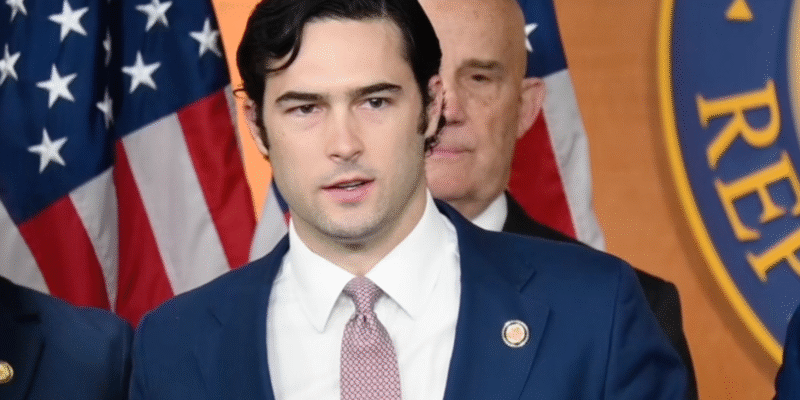
Other members of Congress, like Rep. Christian Menefee (D-TX), continue to defend DEI policies, claiming they are necessary to combat systemic oppression of people of color.
“These are about leveling out a playing field that has historically not been leveled,” Rep. Menefee said. “There are folks in this country who are all running the same race, but for some people, their lane has obstacles in it.”
But Michael Shires, vice chair of Education Opportunity and senior policy officer at the America First Policy Institute, argued that the solution to discrimination is removing barriers rather than changing outcomes.
“It's not to change the finish line, and DEI changes the finish line,” Shires said. “Whereas the federal laws against discrimination are there to remove the obstacles.”
Rep. Menefee countered that this approach overlooks the role government policies play in creating unequal opportunities.
According to the Federal Reserve’s Survey of Consumer Finances from 2020, for every $100,000 in wealth held by white households, Black households held about $15,000.
“Government in this country has put one set of folks in a better position to succeed than other people, and it was the law for a very, very long time,” Rep. Menefee said. “Government was part of the problem, and so it has to now be part of the solution.”