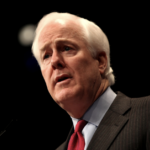

Congressman Ronny Jackson (R) is calling for stronger protections against ubiquitous technical surveillance (UTS), warning that everyday digital activity can expose U.S. military personnel and operations to foreign adversaries.
Growing Digital Security Threat
Rep. Jackson argues that commercially available data collected through smartphones, fitness apps, financial transactions, connected devices, and other technologies can reveal military movements and operational patterns, creating opportunities for adversaries to exploit.
Jackson pointed to a recent incident in which a naval officer's use of the fitness app Strava reportedly revealed the location of the French aircraft carrier Charles de Gaulle during operations in the eastern Mediterranean.
He also referenced the war in Ukraine, where cellphone use reportedly exposed the location of Russian troops.
Rep. Ronny Jackson: "We would never send American troops into combat without body armor. We should not send them onto today's digital battlefield without the appropriate protection either."
NDAA provisions target UTS
As chairman of the House Armed Services Committee's Intelligence and Special Operations Subcommittee, Jackson said he successfully included Section 1098 in the House version of the Fiscal Year 2027 National Defense Authorization Act (NDAA).
The provision would require the Department of Defense to:
- Designate a single office to oversee UTS vulnerabilities.
- Develop a department-wide strategy to counter digital surveillance threats.
- Expand research into secure communications and obfuscation technologies.
- Improve training to help protect service members from digital threats.
- Create a long-term program focused on countering UTS.
The Bottom Line
Rep. Ronny Jackson is urging Congress to strengthen protections against digital surveillance by preserving a provision in the FY2027 NDAA that would establish a coordinated Department of Defense strategy to address ubiquitous technical surveillance and better protect U.S. service members.