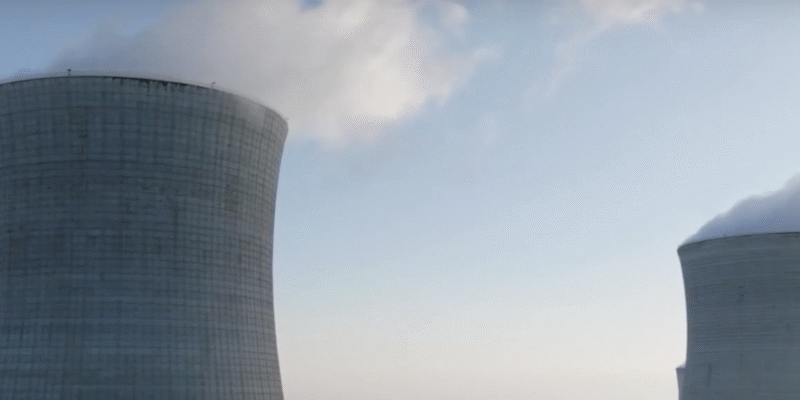

Oklo's Groves Isotope Test Reactor in Lockhart has reached criticality, becoming the fifth DOE-authorized reactor to reach the milestone and the first on privately owned land.
Texas Reactor Reaches Criticality
Oklo's Groves Isotope Test Reactor in Lockhart, Texas, achieved criticality, becoming the fifth reactor authorized by the U.S. Department of Energy to reach the milestone.
The 15-megawatt thermal, pool-type, water-cooled reactor is part of the DOE's Reactor Pilot Program, which is intended to accelerate testing and deployment of advanced nuclear technologies.
Groves is the first DOE-authorized reactor to achieve criticality on privately owned land. The other reactors that reached criticality this year are located at the Idaho National Laboratory or the Utah San Rafael Energy Lab.
Reactor Targets Domestic Isotope Production
The Groves reactor is designed as a test platform for future isotope-production facilities. Oklo plans to use the technology to produce radioisotopes for applications including health care, industry, research, space, and national security.
DOE documentation says future development associated with the Groves project could produce more than 40 high-value radioisotopes for medical, industrial, space, defense, and research applications.
Oklo said reaching criticality less than a year after groundbreaking provided experience across construction, procurement, reactor operations, startup procedures, safety readiness, and workforce training.
Oklo co-founder and CEO, Jacob DeWitte: "Reaching criticality in less than a year is an incredible milestone for our team."
part of Broader Advanced Nuclear Push
Four other DOE-authorized reactors reached criticality by July 4, meeting the initial target established for the Reactor Pilot Program. Oklo's achievement brings the number to five.
Oklo also has plans for additional advanced reactor technology, including its Aurora Powerhouse and Pluto reactor.
Texas Gov. Greg Abbott said the project could support expansion of the state's nuclear workforce and domestic supply chains while increasing isotope production for medical applications.