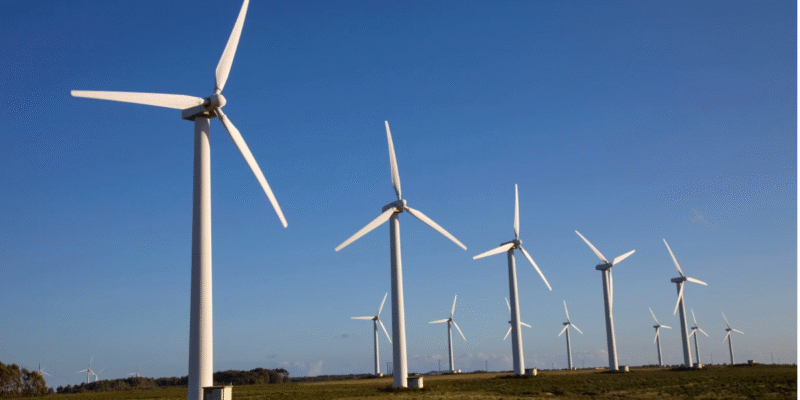

Texas' electricity grid weathered a record-breaking summer as renewable energy supplied a growing share of power, according to a new analysis from the Environmental Defense Fund (EDF) examining hourly electricity generation data.
The analysis found that wind, solar and nuclear power, together, supplied more than half of ERCOT's grid-scale electricity generation at some point on 94% of days during June, July, and August. On 16 summer days, clean energy sources exceeded 75% of generation at least once.
The findings come after the Electric Reliability Council of Texas (ERCOT), which manages the grid serving most of the state, recorded a peak demand of approximately 91.1 gigawatts on July 22, surpassing the previous record set in 2023. The U.S. Energy Information Administration reported that natural gas supplied 48% of generation during the peak hour, while solar contributed 32%.
How much is renewable energy contributing to Texas' grid?
Texas has expanded its wind and solar capacity significantly over the past decade. According to EDF, solar, wind, and battery storage accounted for 95% of new capacity added to ERCOT between 2020 and 2025.
The state's renewable energy growth has been supported by abundant wind and solar resources, transmission infrastructure, and investment under its competitive electricity market. Transmission lines built through the Competitive Renewable Energy Zones initiative helped deliver wind power from West Texas to major population centers, while utility-scale solar has expanded across the state.
However, the summer figures represent the share of generation at particular points during each day, rather than the average contribution across an entire day or season. Natural gas continues to play a major role in meeting Texas' electricity demand, particularly during periods of high consumption.
What could this mean for the 2027 legislative session?
EDF argues that Texas should preserve its competitive electricity market as lawmakers prepare for the 2027 legislative session. The organization says market competition allows lower-cost energy sources to enter the grid and could help limit electricity costs.
Renewable energy development has faced opposition in recent legislative sessions, including proposals that would have imposed additional requirements on wind and solar projects. Those debates are expected to continue as Texas addresses rising electricity demand from population growth, commercial development data centers.
The summer's record demand and generation data show that clean energy has become a substantial part of ERCOT's electricity mix. They do not, by themselves, establish that renewables alone ensured grid reliability or reduced electricity bills for all consumers.