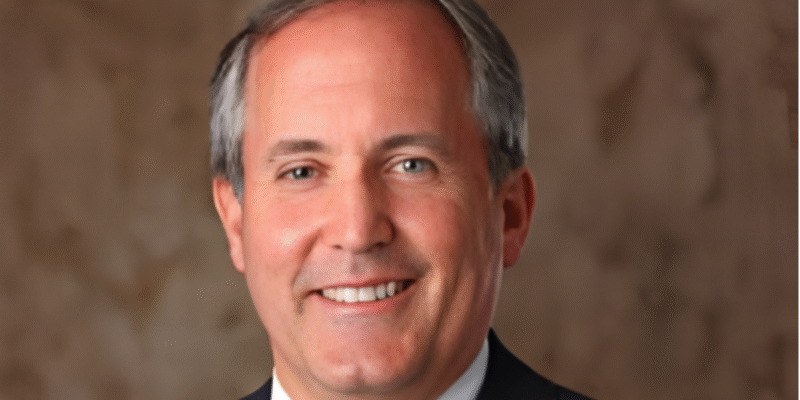

Ken Paxton's (R) coal antitrust crusade could be headed for the exit as Democrats take control of Texas statewide offices, leaving incoming Attorney General Nathan Johnson (D) to decide whether to keep fighting Wall Street over electricity prices.
The lawsuit, launched by Texas and other Republican-led states in 2024, accuses BlackRock, State Street and Vanguard of conspiring to restrict coal production through climate-focused investment policies. Paxton argued the alleged effort drove up electricity costs. But the case has faced pushback from conservatives, energy officials, and critics who question whether it can deliver cheaper power.
Johnson, who defeated Republican Mayes Middleton in the attorney general's race, has not said whether he will continue the litigation. He could pursue the claims, narrow them, or drop the case altogether.
The legal fight has already taken a hit. Vanguard agreed to pay $29.5 million and accept restrictions on shareholder voting, while BlackRock and State Street continue to contest the allegations. A judge allowed the lawsuit to proceed but acknowledged Texas and its allies lacked direct evidence of a conspiracy. Recent rulings have narrowed some claims while leaving others alive.
The lawsuit has also drawn fire from Republicans. Former Gov. Rick Perry warned it could undermine the Trump administration's energy agenda by discouraging investment in coal. Energy Secretary Chris Wright and Interior Secretary Doug Burgum reportedly raised concerns that litigation-driven divestment could restrict capital and threaten grid reliability.
Meanwhile, voters have focused on affordability. The Energy Information Administration projects coal's share of U.S. electricity generation will fall from 17% in 2025 to 15% by 2027, with natural gas continuing to dominate.
Paxton's legal strategy has also attracted scrutiny over outside counsel and contingent-fee arrangements, including attorney Tony Buzbee's involvement.
Now the lawsuit's future rests with Johnson. In a year when voters were focused on utility bills, the incoming attorney general will have to decide whether Paxton's signature legal fight is worth continuing, or whether it has become an expensive political distraction.