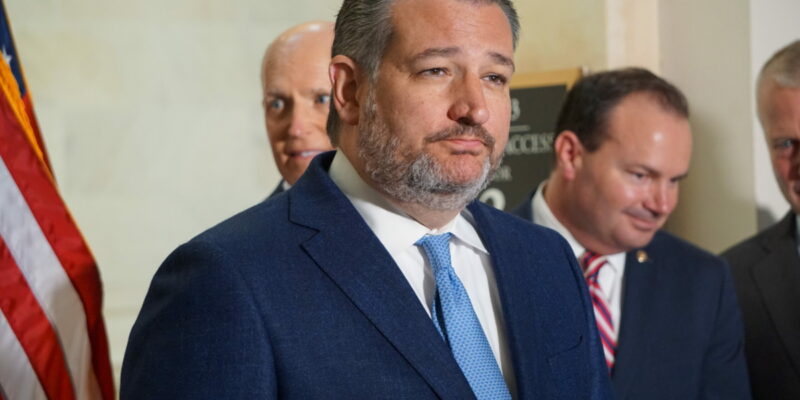

U.S. Senator Ted Cruz (R) is calling attention to alleged religious freedom violations in Tanzania, warning that escalating repression of Christians should carry consequences for the U.S.-Tanzania relationship.
During a recent hearing where he questioned State Department nominee William Trachman, Sen. Cruz pointed to what he described as a "sustained and escalating assault on religious freedom," citing reports that Tanzanian authorities restricted church activity, barred Christian gatherings, and used state power to suppress religious expression in the lead-up to the country's October 2025 elections.
He also noted broader concerns about political repression, including the dismantling of opposition parties and the arrest of political leaders.
Cruz drew comparisons to Nigeria, where violence against Christians, particularly in the Middle Belt, has drawn international concern.
"This is how it unfolds," he said. "The persecution of Christians is downplayed by senior officials, while violence escalates... with zero accountability. We should not repeat that mistake in Tanzania."
"The Trump administration was right to initiate a review of the U.S.-Tanzania relationship," Cruz shared on social media. "The ongoing repression of Christians should be met with consequences."
Responding during the discussion, Trachman acknowledged the concerns, stating he was aware of reports regarding restrictions on opposition groups and the targeting of Christians ahead ot the election.
"I absolutely am aware of and agree with your observations about the banning of opposition parties and targeting of Christians before the October 2025 election," said Trachman, adding that ongoing U.S. review efforts would hold Tanzania accountable.
Cruz also emphasized the need for a strong U.S. response, stating, "The Trump administration was right to initiate a review of the U.S.-Tanzania relationship. The ongoing repression of Christians should be met with consequences."
The remarks come amid broader scrutiny of human rights conditions in Tanzania, particularly around political freedoms and religious expression. U.S. policymakers have increasingly weighed such concerns when evaluating diplomatic and economic partnerships.