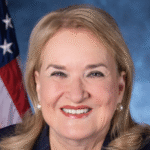

Representative Randy Weber (R-TX) has been vocal in his opposition to birthright citizenship, calling it an abuse of American law.
Pointing to birth tourism operations in his home state, including one Houston facility he claims has delivered over 1,000 babies to Chinese nationals, Weber argues the practice exploits constitutional protections never intended for that purpose.
"This is straight-up abuse of our laws," Weber wrote on X, contending that the 14th Amendment was never designed to extend citizenship to children of people who entered the country illegally.
His position aligns with a broader push by the Trump administration, which issued an executive order in January 2025 directing federal agencies to deny automatic citizenship to children born on U.S. soil to parents who are neither citizens nor permanent residents.
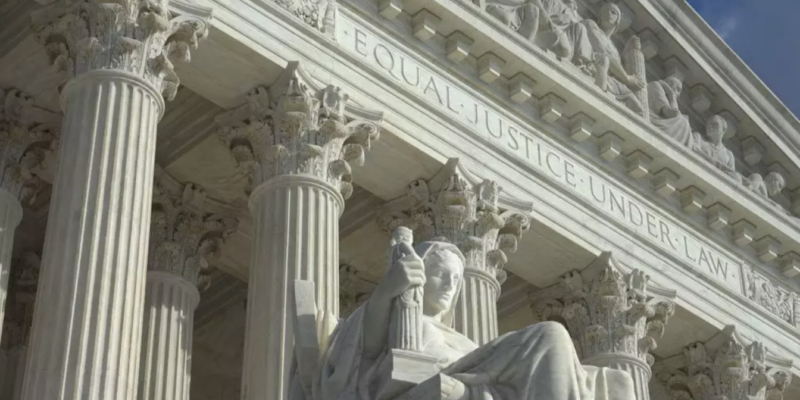
Courts blocked the order almost immediately, and the matter ultimately landed before the Supreme Court.
Continued Battle
The focal point of the legal dispute is the 14th Amendment's citizenship clause, ratified after the Civil War, which grants citizenship to all persons born in the U.S. and "subject to the jurisdiction thereof."
That language has been interpreted consistently for over a century, most definitively in the 1898 case United States v. Wong Kim Ark, where the Supreme Court ruled 6-2 that children of immigrants are citizens by birth regardless of their parents' status.
"The 14th Amendment was never intended to serve as a blank check for illegal immigration," Weber added. "It was never intended to grant citizenship to the children of people who broke our laws to get here in the first place."
The Trump administration's legal team argued before the justices that the amendment's framers intended a narrower reading, one tied to whether a parent was legally "domiciled" (permanently settled) in the United States.
The solicitor general maintained the clause was designed primarily to secure citizenship for formerly enslaved people, not to establish a universal birthright.
The argument met considerable resistance from the bench. Chief Justice Roberts called the administration's interpretation "quirky," while Justice Kavanaugh acknowledged that, under existing precedent, ruling against the government's position would be a straightforward decision.
Only Justice Alito appeared openly receptive to the administration's reasoning.
A ruling is expected before the end of June.