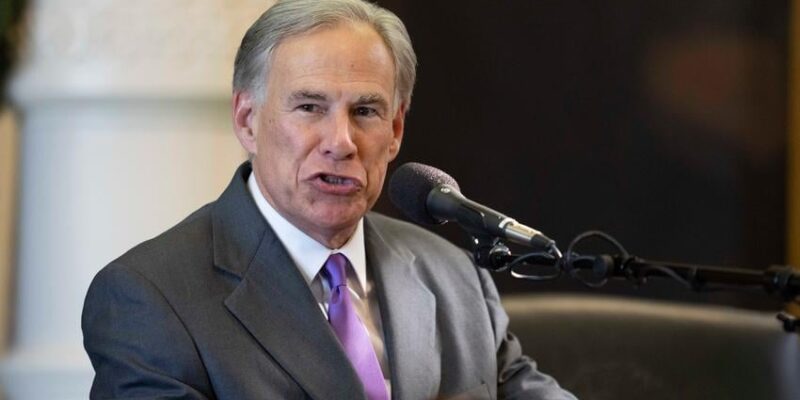

Governor Greg Abbott (R-TX) strongly disagrees with the Supreme Court's ruling that children born in the United States are citizens at birth, regardless of their parents' immigration status, a decision that carries significant weight for a state with one of the country's largest immigrant populations.
Texas Politics reported the 5-4 ruling dismissed President Donald Trump's executive order, which had sought to limit birthright citizenship for children of parents who are undocumented or only temporarily in the country.
The Court's opinion pointed directly to the 14th Amendment, which grants citizenship to anyone "born or naturalized in the United States, and subject to the jurisdiction thereof."
However, Abbott made his frustration clear. "Today's Supreme Court decision is a missed opportunity to restore the original meaning of the 14th Amendment," he wrote on X.
He argued that birthright citizenship functions as "a powerful magnet for illegal immigration" and described automatic citizenship for children of undocumented or temporary residents as "an absurdity that was never contemplated by our Constitution nor agreed to by the American people."
Abbott called on Congress to step in and clarify that citizenship should not extend automatically in these circumstances.
What This Means for Texas
In Texas, the ruling leaves little room to maneuver, because the decision came directly from the Supreme Court's interpretation of the Constitution. Only a constitutional amendment could change the outcome, not a new state law, and not an act of Congress alone.
That means any effort by Texas to enforce President Trump's executive order on its own would be blocked.
In practice, the ruling changes little day to day. Texas hospitals, schools, and state agencies will continue treating all U.S.-born children as citizens, just as they have under existing law, and birth certificates will be processed under the same rules as before.
Still, the stakes for Texas are high, given its large immigrant population; the ruling brings a measure of legal certainty for families who had been left in limbo since Trump's executive order was first issued.
It also closes the door on a scenario where citizenship rules might differ from one state to the next.
Notably, birthright citizenship hasn't broken cleanly along party lines in Texas, with lawmakers on both sides of the aisle holding differing views.