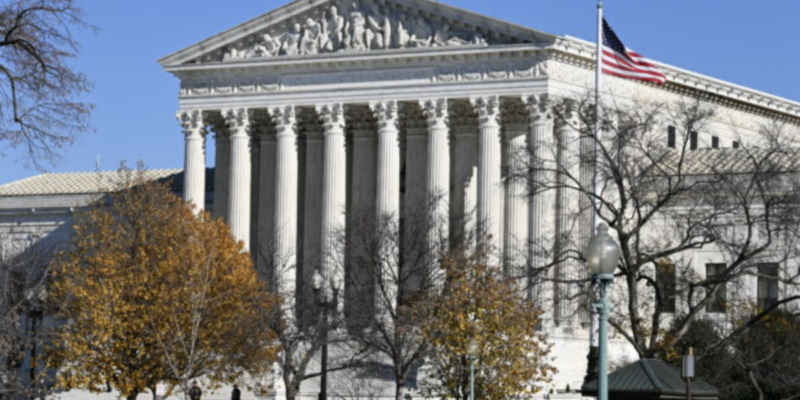

The Supreme Court ruled 5-4 Tuesday the 14th amendment guaranteed birthright citizenship to children born in the U.S., regardless of parents' citizenship status, dismissing Trump's executive order.
How does the 14th amendment protect birthright citizenship?
Any child who was born in the United States is born "under the protection of" the United States. Therefore, they are made a citizen because they owed a natural "allegiance" to the Nation.
What do the legal documents say?
- Opinion of the Court: "Children born in the United States to parents unlawfully or temporarily present are 'subject to the jurisdiction' of the United States and are citizens at birth under the Fourteenth Amendment’s Citizenship Clause."
- 14th Amendment, Section One: "All persons born or naturalized in the United States, and subject to the jurisdiction thereof, are citizens of the United States and of the State wherein they reside."
The Supreme Court ruled that the 14th amendment guarantees birthright citizenship to any person born in the United States, regardless if their parents are illegal immigrants, temporary visitors, or other statuses.
Birthright citizenship is not a polar issue and the Republican-appointed nominee majority Supreme Court ruled 5-4 in the issue which is propelled by Republicans like President Trump.
"Children born in the United States to parents unlawfully or temporarily present are “subject to the jurisdiction” of the United States and are citizens at birth under the Fourteenth Amendment’s Citizenship Clause," the opinion of the Court wrote.
Following the Supreme Court's decision, Congress cannot now redefine the jurisdiction except through a Constitutional amendment.
The Birthright Citizenship Act, if passed, could amend the Immigration and Nationality Act (INA) by reinterpreting the 14th amendment's "subject to the jurisdiction thereof" clause, narrowing who is granted birthright citizenship.