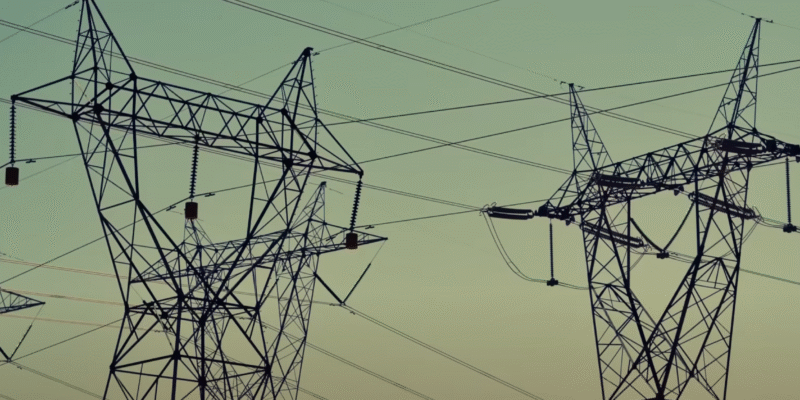

Southwestern Electric Power Company (SWEPCO) has launched its first Texas Energy Fund-backed grid modernization project in Marshall, marking the beginning of a multi-year effort to strengthen electric reliability for nearly 193,000 customers across East Texas and the Panhandle.
What is the project?
Southwestern Electric Power Company (SWEPCO) has begun construction on its first electric grid improvement project funded through the Texas Energy Fund (TxEF) in Marshall, Texas.
The project is part of a $200 million grant administered by the Public Utility Commission of Texas (PUCT) and announced earlier this month by Governor Greg Abbott.
Over the next several years, the funding will support upgrades to approximately 700 miles of power lines and improvements to nearly 200 electric circuits serving customers across 24 Texas counties.
According to SWEPCO, the work will improve reliability without increasing costs for customers.
What improvements are being made?
The Marshall project marks the first phase of the statewide effort and includes:
- Replacing aging copper electrical wire with stronger aluminum-alloy conductors
- Installing new utility poles designed to better withstand severe weather
- Modernizing older sections of the electric distribution system
- Improving long-term reliability for homes, businesses, schools, and hospitals
The upgrades are intended to strengthen the grid against ice storms, high winds, and prolonged severe weather events.
What SWEPCO is saying
SWEPCO Director of Distribution Engineering & Reliability Adam Keeth: "When we analyzed our system, upgrading copper wire to more modern equipment stood out as an area that would have the biggest impact."
Adam Keeth continued: "By replacing it with modern aluminum-alloy conductors and installing stronger poles, we're building a system that can better withstand ice, wind, and long-duration storms and deliver more reliable service to our customers."
What's next?
Construction will continue across East Texas and the Panhandle over the coming years, with the overall modernization effort expected to be completed by early 2031.
The infrastructure upgrades will also be coordinated with approximately 3,000 miles of vegetation management work, creating additional protection against outages caused by falling trees and other storm-related hazards.