
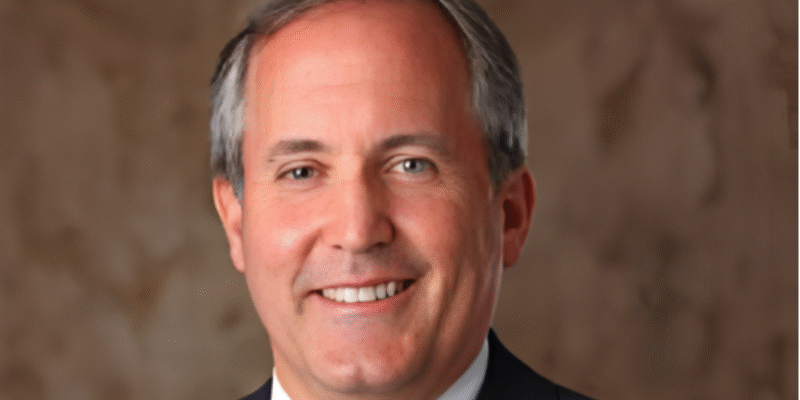

Texas Attorney General Ken Paxton (R) has launched an investigation into LinkedIn over allegations that the platform has profited from misleading "ghost job" listings while marketing its Premium subscription services to job seekers.
Why is LinkedIn being investigated?
Attorney General Ken Paxton announced that his office has opened an investigation into LinkedIn Corporation over claims that the company has advertised and profited from fake or misleading employment opportunities, commonly referred to as "ghost jobs."
According to the Attorney General's Office, the investigation will examine whether LinkedIn misled consumers by promoting Premium subscription services while allowing inactive or non-existent job postings to remain on its platform.
LinkedIn is the world's largest professional networking platform, with more than one billion registered users worldwide and hundreds of thousands of users in Texas.
What are "ghost jobs"?
The Attorney General's Office defines a ghost job as a job listing that either:
- Does not correspond to an actual open position.
- Is posted despite having no immediate intention of filling the role.
The office cited independent studies that ghost jobs may account for 20% to 33% of online job listings.
According to the investigation announcement, LinkedIn generally does not independently verify whether most positions, 1 billion registered users worldwide, and hundreds of thousands on its platform are actively being filled.
What Paxton is saying
AG Ken Paxton: "I will use every resource available to my office to help job-seeking Texans find and secure real employment opportunities."
AG Paxton continued: "LinkedIn has a duty to provide the services it advertises and ensure that consumers paying for Premium subscriptions are receiving access to legitimate job postings."
What's next?
As part of the investigation, the Attorney General's Office has issued a Civil Investigative Demand (CID) requiring LinkedIn to produce documents, internal communications, marketing materials, and data related to its Premium subscription services, advertising practices, job verification procedures, and representations made to consumers.






well they deserve it i am or was a member and lately my neice who i have not seen in 20+ years sits on my name in linkedin i brought this to their attention and they did nothing, its absolutely terrible i truly wish i never saw or went on their site.