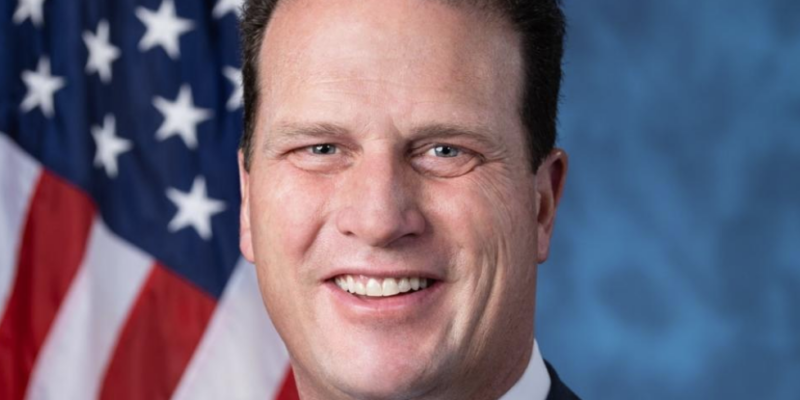

Congressman August Pfluger's (R) bipartisan Combating Illicit Xylazine Act unanimously advanced out of the House Energy and Commerce Committee, moving one step closer to increasing penalties for illicit xylazine trafficking while preserving its legal use in veterinary medicine and agriculture.
Bipartisan legislation advances
The bipartisan, bicameral legislation aims to combat the growing use of xylazine, commonly known as "tranq," as a dangerous additive mixed with fentanyl and other illicit drugs.
Rep. Pfluger introduced the legislation alongside Representatives:
- Jimmy Panetta (D-CA)
- Gus Bilirakis (R-FL)
- Chris Pappas (D-NH)
- Scott Fitzgerald (R-WI)
- Deborah Ross (D-NC)
As well as Senators:
- Chuck Grassley (R-IA)
- Catherine Masto (D-NV)
Addressing a growing drug threat
Xylazine is a veterinary tranquilizer approved for use in animals but not in humans. Drug traffickers increasingly mix the substance with fentanyl because it is inexpensive and can intensify the effects of illicit drugs.
According to Pfluger, the legislation gives law enforcement additional tools to target traffickers while ensuring veterinarians, farmers, and ranchers retain access for legitimate animal care.
Rep. August Pfluger: "Xylazine was never meant for human use, yet traffickers are increasingly mixing it into street drugs to make them more potent and more deadly. This bill takes direct aim at traffickers exploiting this drug for illicit purposes, while preserving its legal use by veterinarians and agricultural producers."
What the Bill would do
The Combating Illicit Xylazine Act would:
- Classify illicit xylazine as a Schedule III controlled substance under the Controlled Substances Act.
- Preserve legal access for veterinarians, farmers, and ranchers through a clear definition of authorized users.
- Allow the Drug Enforcement Administration (DEA) to better track xylazine manufacturing and distribution.
- Require a federal report examining xylazine's prevalence, public health risks, and recommendations.
Next steps
The legislation previously passed the House with broad bipartisan support, following committee approval, lawmakers will work ot move the bill through the remaining stages of the legislative process before it can be considered by the Senate and sent to the president.