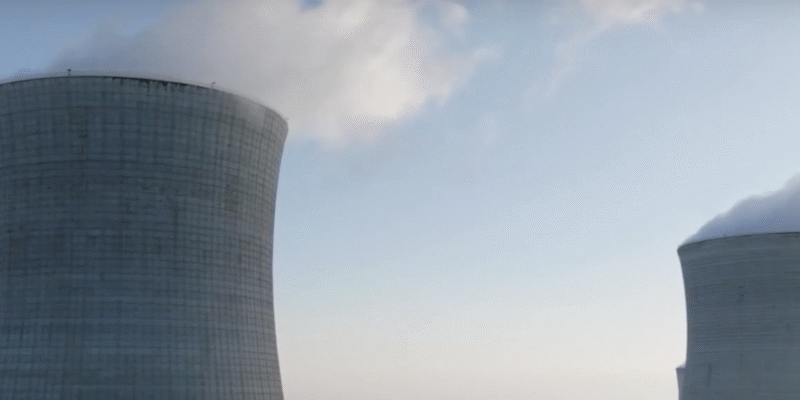

GE Vernova, Hitachi Nuclear Energy, and Blue Energy have reached an agreement to advance plans for a gas-plus-nuclear power plant in Victoria, Texas, with engineering, licensing, and safety analysis now moving forward.
What is planned for the Victoria power project?
Plans for a new gas-plus-nuclear plant in Victoria, Texas, have moved into the next stage after GE Vernova Hitachi Nuclear Energy, and Blue Energy announced an agreement to advance engineering design, licensing, and safety analysis.
The proposed project would combine GE Vernova 7HA.02 gas turbines with BMRX-300 small modular reactors.
Blue Energy expects the project to begin supplying about 1 gigawatt of power to a nearby data center by 2030 using two GE Vernova gas turbines. Five BWRX-300 small modular reactors would then come online in 2032, adding approximately 1.5 gigawatts of nuclear generation capacity.
The companies say the approach is intended to bridge the different timelines for developing gas and nuclear generation, allowing power to reach customers sooner while the nuclear portion of the project is developed.
GE Vernova Hitachi CEO Jason Cooper described the approach as a way to "bridge between gas and nuclear timelines for project delivery."
Why are the companies pursuing a gas-plus-nuclear model?
Blue Energy cofounder and CEO Jake Jurewicz said the model is designed to address the growing need for electricity, particularly from data centers, while reducing project and financing risks.
"It's about speed, which the data center community and the utilities need right now," said Jurewicz. "But it's also equally as much about derisking and bringing project finance to bear."
GE Vernova Power CEO Eric Gray said combining established technologies could provide reliable power at the scale and speed customers increasingly require.
The Victoria project remains subject to additional development, licensing and safety analysis, as well as a final investment decision expected in 2027.