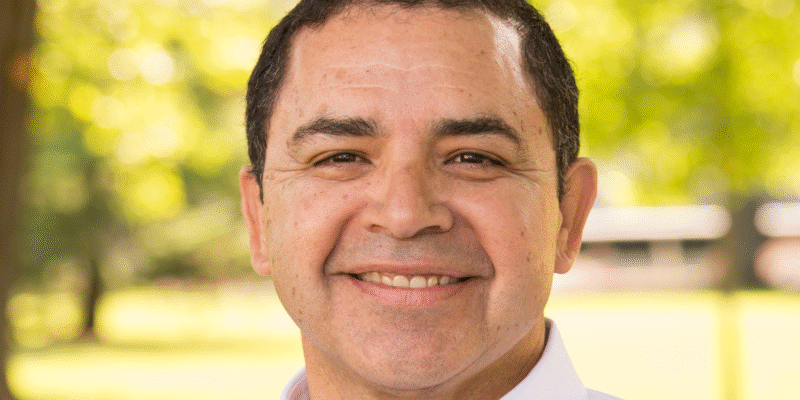

Rep. Henry Cuellar introduced the Ratepayer Bill of Rights Act of 2026, legislation that would require data centers to disclose important information.
What would the legislation do?
Rep. Cuellar introduced the Ratepayer Bill of Rights Act of 2026 earlier this week, seeking to establish protection for communities affected by large data center projects.
The legislation would require covered data centers to disclose their expected electricity and water use, identify where those resources would come from, and explain how demand could change as projects expand.
It would also require data centers to pay costs associated with their construction and operation rather than passing those expenses on to local families and other protected customers through higher utility rates.
Who would pay for data center-related costs?
Under Cuellar's proposal, covered data centers would be responsible for project-driven electricity, water, wastewater, infrastructure, mitigation, and other related costs.
Those expenses could not be passed on to families and other protected customers through higher utility rates or other charges.
Rep. Henry Cuellar: "If a family in Laredo sees a higher utility bill because a billion-dollar project needs a new substation, or a farmer in South Texas loses dependable water without notice and protection, that's not right."
How would water and electricity impacts be reviewed?
The legislation would require independent reviews of data centers' potential effects on local water supplies and electric reliability.
Water reviews would consider impact on households, agriculture, existing businesses, drought conditions, rural wells, and other existing water users.
Electric reviews would examine factors including projected demand, grid reliability, outages, and infrastructure upgrades needed to serve the project.
The proposal would also require relevant information about resource use, project costs, public assistance, and potential rate impacts to be made available to the public.
What would the legislation mean for South Texas?
Rep. Henry Cuellar: "South Texas welcomes economic development and investment, but growth should not mean higher bills for working families or less dependable water for agriculture. Tell the public what the project will use, protect our water and electric services, and pay the costs your project creates."
Cuellar said the legislation is intended to allow communities to benefit from economic development while preventing large projects from shifting their costs onto existing residents and businesses.