
This Congress, Republican lawmakers have been hyper-focused on weeding out fraud in government-funded programs, and the debate on how to reform the nation’s welfare system remains ongoing.
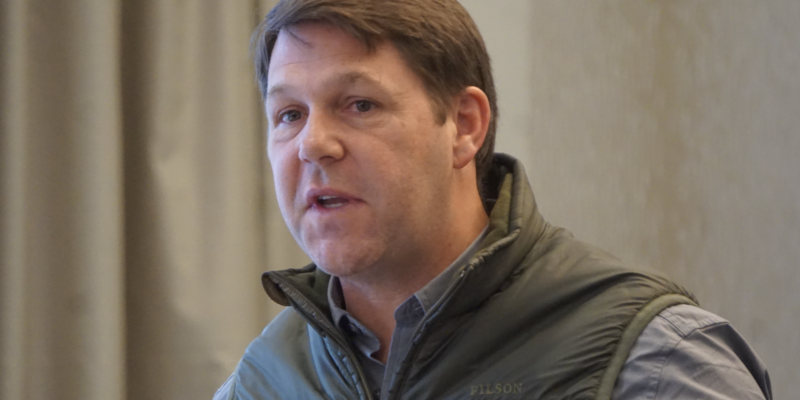
Representative Jodey Arrington (R-TX), a major proponent of combatting welfare fraud, moved to question Kristin Rowe-Finkbeiner, co-founder and CEO of MomsRising, on welfare reform and the promise of personal responsibility in federal programs. However, the roles quickly reversed after Rowe-Finkbeiner turned the questioning toward him instead.
“I believe that we need a care infrastructure so parents can go to work, so kids can thrive, so care workers can stay in their jobs with a living wage,” Rowe-Finkbeiner said, asking Rep. Arrington if he believed the same “care infrastructure” is necessary.
Rep. Arrington said he does not doubt that this infrastructure is needed, but argues instead that it’s “broken.”
“Instead of it being a safety net, it's a hammock or a trap, and either one of those is not good for the human soul,” he said.
Rep. Arrington pointed to the Republican-backed One Big Beautiful Bill, which he authored and helped steer through Congress in 2025. The bill made sweeping changes to welfare programs, including new work requirements and other eligibility reforms for Medicaid and SNAP recipients.
“The culture of welfare must be replaced by the culture of work,” Rep. Arrington said. “The culture of dependence must be replaced with the culture of self-sufficiency and personal responsibility, and the culture of permanent assistance must no longer be a way of life.”
Many Democrats continue to argue that the Big Beautiful Bill hurt those who depend on welfare programs like Medicare and Medicaid by cutting benefits and making access to care more difficult. Rep. Arrington said this is “patently false.”
“That's the problem in this town,” he said. “We all mischaracterize things too often.”
Rep. Arrington said that he does not deny the “care infrastructure” of federal assistance programs, but that able-bodied recipients should not be on these programs.
“Those who are able to work, who are in that care infrastructure, who are benefiting,” he said. “Not the folks who are sick and pregnant and disabled, but the ones who work.”