
Although data centers have become one of the major issues on voters’ minds this November, lawmakers are not yet united on how to protect ratepayers from rising costs.
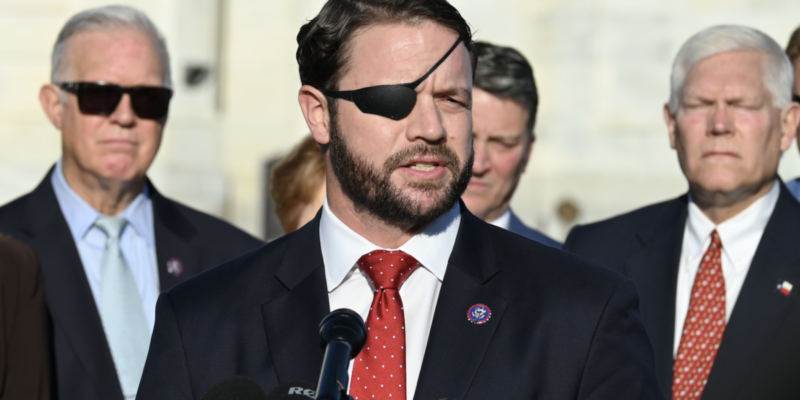
Lawmakers are continuing to debate how to address the growing demands data centers are placing on the power grid. Texas Representative Dan Crenshaw (R-TX) added to this discussion during a House Energy and Commerce Committee hearing last week.
“There are concerns about water supply and grid strain and electricity prices and problems, but you know these are solvable problems, and today's bills are aimed at solving these problems,” Rep. Crenshaw said.
During the hearing, Rep. Crenshaw’s bill, the DATA Act, advanced out of the committee and will now head to the House floor for a vote. This bill would require data centers to pay for the costs they impose on the electric grid, rather than passing those costs on to other ratepayers.
“It would federalize what many states, like Texas, have done,” he said. “This is all common sense stuff.”
Rep. Crenshaw said he understands the concerns surrounding the rapid growth of data centers, stressing that not only is it “inevitable,” but data centers can be extremely beneficial if the “negative consequences” are mitigated.
According to Rep. Crenshaw, the anti-data center argument is inflamed by the current affordability crisis. Earlier this month, the Texas congressman faced criticism for telling a college student to “quit whining” over a $20 burrito during a discussion about rising costs and affordability.
“I have a feeling that most of the people screaming online about data centers are probably the same people that think burritos cost $20,” Rep. Crenshaw said. “The solution is not screaming more at the wall; it’s to do your research...”
Rep. Crenshaw said he does not think voters are paying enough attention to what lawmakers are doing to combat the negative effects of data center expansions. Similarly, he said he thinks some of his colleagues outside the Energy and Commerce Committee are also not paying enough attention.
“Outside of this room, there's plenty of members who'd rather torch a deal, get social media clicks, as opposed to doing something that actually passes into law,” Rep. Crenshaw said.