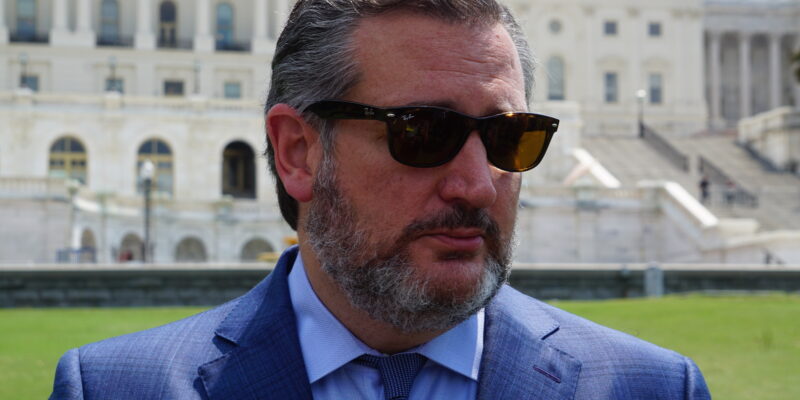

Senator Ted Cruz (R) pushed back against Sen.Chris Murphy's (D-CT) criticism of efforts to establish federal rules for college athletics, arguing that changes to the system are needed to preserve opportunities across college sports.
Sen. Murphy wrote on social media platform "X" that college sports are not in "absolute chaos," arguing that current changes have mostly given Black Athletes greater bargaining power while accusing white coaches and sports industry executives of opposing that shift.
Sen. Cruz responded that the issue is not whether major football programs will survive, but whether smaller programs and non-revenue sports will continue to have opportunities. He warned that without congressional action, college football could become concentrated among roughly 30-60 nationally competitive programs, potentially putting other athletic programs at risk.
Chris, I don’t know what world you’re living in, but in case you missed it, a Louisiana judge just allowed pro athletes to return to play in college. Some of us are actually trying to save college sports.
You are confusing the popularity of college sports with the stability of… https://t.co/YdjZdZZlXO
— Senator Ted Cruz (@SenTedCruz) September 8, 2026
Sen. Cruz said the Protect College Sports Act, which he introduced with Sen. Maria Cantwell (D-WA), would preserve athletes' ability to earn compensation through name, image and likeness (NIL) while establishing federal rules for transfers, eligibility, recruiting and revenue sharing. The bill was introduced as S. 4668 and advanced through the Senate Commerce Committee in June.
Cruz also argued that the legislation would protect scholarship opportunities and roster spots in non-revenue sports while providing medical coverage and protections against predatory agents. The Congressional Budget Office said the bill would establish a federal framework for NIL agreements and create a limited exemption related to media rights and NIL agreements.
Cruz rejected Murphy's characterization of the legislation as racist, pointing to support from historically Black colleges and universities, athletic conferences,s and student-athlete organizations.