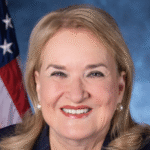

Representative Lizzie Fletcher (D-TX) is moving to repeal the Department of Homeland Security’s (DHS) recent four-year limit on visas for international students, researchers, and journalists.
Rep. Fletcher and several other Democrats in the House of Representatives introduced a joint resolution of disapproval under the Congressional Review Act to repeal DHS’s Duration of Status framework that reduces visa flexibility for certain individuals. Lawmakers also introduced similar legislation in the Senate last week.
The group of lawmakers argues the limit, which took effect this month, is “arbitrary” and unrealistic for certain degree paths.
“Placing fixed time limits on their studies ignores how long some study programs actually take and adds red tape to an immigration system that is already overwhelmed,” Rep. Fletcher said. “Our international students, researchers and journalists in our community and across our country make important contributions to our schools, our communities and our economy.”
Sen. Dick Durbin (D-IL) stressed that this is especially true for STEM programs. He said those students are an important source of talent for the U.S. workforce and innovation, while international medical graduates also help address health care workforce shortages.
“Now is not the time to make it even more difficult for health care professionals to care for our most vulnerable communities,” Sen. Durbin said.
Sen. Sheldon Whitehouse (D-RI) agreed, adding that these students not only drive innovation by contributing to cutting-edge research, but they also benefit communities economically. He said if these students can “spend big” on tuition, they’ll likely contribute to local businesses and restaurants.
“This Trump administration rule punishes international students, young doctors and foreign journalists as well as local small businesses and universities as part of their extreme anti-immigration agenda,” Sen. Whitehouse said.
Rep. Sam Liccardo (D-CA) added that this four-year limit will continue to drive international students away from American universities, meaning they give their talents to U.S. competitors instead.
“Eliminating the Duration of Status framework will push talented students and researchers toward our competitors, undermining our ability to win the global battle for talent, essential to our innovation economy,” Rep. Liccardo said.