
The Texas A&M Engineering Experiment Station (TESS) has received a $5.4 million U.S. Department of Energy grant to develop technology that could convert long-lived nuclear waste into fuel for advanced reactors.
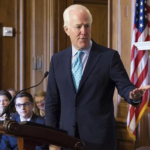
Deputy Energy Secretary James P. Danly announced the award October 29 during a visit to Texas A&M. The project, titled Turning Nuclear Waste into Fuel with a Thorium Molten Salt Reactor, is led by Lin Shao, a professor in the university's Department of Nuclear Engineering.
Researchers from TEES and Savannah River National Laboratory, along with industry partner Natura Resources, will collaborate on the project. The work will combine fuel preparation, experimental testing, computational modeling, and reactor design to explore ways to reduce the long-term burden of used nuclear fuel while advancing molten salt reactor technology.
"This project demonstrates how we can address long-term nuclear waste challenges while advancing technologies that strengthen our nation's energy security," said Danly, describing the research as part of the department's effort to support advanced reactor development.
Texas A&M President Susan Ballabina said the federal investment recognizes the role of universities in developing energy technologies and supporting workforce development and economic growth.
Robert H. Bishop, vice chancellor and dean of Texas A&M Engineering and director of TEES, said the research could help reduce nuclear waste, improve energy reliability, and support U.S. leadership in advanced nuclear technologies.
Molten salt reactors are attracting interest as a potential source of reliable, carbon-free electricity. The Texas A&M project will examine whether thorium-based fuel technology can improve fuel utilization while addressing challenges associated with long-lived radioactive waste.
The grant expands the university's nuclear research portfolio, but the announcement did not provide a project completion date or specify when the technology could be deployed commercially.