


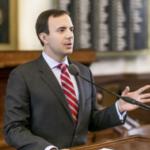
Representative Greg Casar (D-TX) is calling on Congress to act on artificial intelligence (AI), arguing that Washington has been too slow to address the economic risks posed by rapidly advancing AI technology.
In recent statements and an op-ed, Casar outlined what he describes as a first step toward protecting American workers: a federal tax on AI usage, measured in the units of text AI systems process, known as "tokens."
"The government is doing nothing to stop AI from taking your jobs," Rep. Casar posted on X, adding that inaction also extends to child safety, cybersecurity, and national security concerns tied to AI.
He attributed Congressional paralysis in part to industry lobbying, claiming that AI companies have funded super PACs that threaten to spend over $100 million in upcoming elections.
The proposal targets AI providers rather than everyday consumers, with higher rates applied to large corporate users. Casar argues the current tax structure inadvertently rewards companies that automate jobs, since businesses pay payroll taxes on human employees but face no equivalent cost when replacing them with AI systems.
"If you replace a worker with an AI-powered robot, you save on payroll taxes: That's functionally a tax break," Casar wrote.
Advancing Technology
Additionally, he pointed to projections from prominent tech figures to underscore the urgency. Anthropic's CEO has reportedly predicted unemployment levels comparable to those of the Great Depression within five years, while Bill Gates has suggested that humans may not be needed for most work within a decade.
Casar also cited Intuit's recent decision to lay off thousands of workers, with the company referencing AI as a factor.
Revenue generated by the tax, Casar says, should fund a large-scale jobs program modeled on New Deal-era employment initiatives championed by President Franklin Roosevelt, prioritizing sectors like elder care, infrastructure, and education.
The only significant AI legislation considered in the current Congress, Casar noted, was a failed measure that would have blocked states from regulating the industry, a dynamic he called unacceptable given the scale of what may be coming.






0 thoughts on “Greg Casar Proposes 'AI Token Tax' to Combat Potential Job Losses”