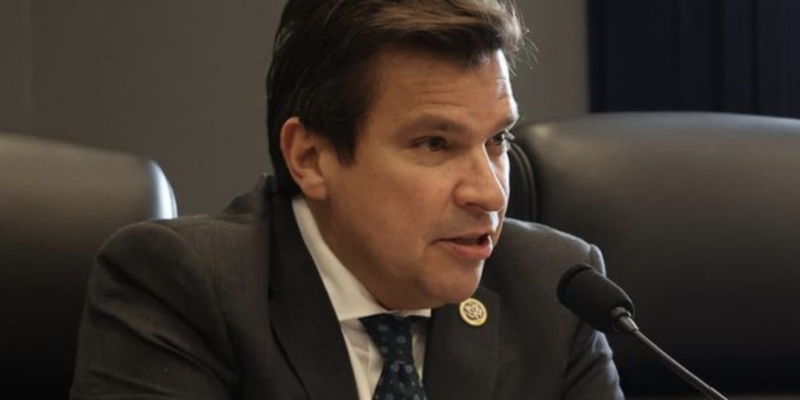

U.S. Representative Vicente Gonzalez (D) is criticizing the federal government's response to the New World Screwworm (NWS) outbreak after the first confirmed U.S. case was detected in South Texas this month, warning that delayed prevention efforts have placed the state's cattle industry and food supply at risk.
Gonzales Points to Earlier Warnings
According to Rep. Gonzalez, concerns about the New World Screwworm were raised long before the first case was detected in Texas. After meeting with USDA experts in Kerrville in 2025, he pushed for increased funding and additional sterile fly production facilities designed to prevent the pest's spread.
First Texas Case Confirmed
The New World Screwworm is a flesh-eating parasitic fly whose larvae infest wounds on livestock, wildlife, pets, and, in rare cases, humans. Federal officials confirmed the first U.S. case of 2026 in a calf in Zavala County, Texas.
The pest was successfully eradicated from the United States in the 1960s through the use of sterile insect technology, but it has steadily advanced northward from South America in recent years.
What Gonzalez is Saying
Rep. Vicente Gonzalez: "With inflation already on the rise from the Administration's policies and war in Iran, the last thing Texans need is a potential $1.8 billion hit to our cattle industry and statewide economy."
Rep. Gonzalez continued: "The Administration didn't act fast enough. Instead, they cut funding for early detection and prevention and prioritized billions in taxpayer money to support lowering the cost of beef from Argentina--not America."
Calls for Expanded Eradication Efforts
Gonzalez has repeatedly called for expanded sterile fly production capacity, including funding requests before the House Appropriations Committee testimony before the House Agriculture Committee, and support for the STOP Screwworms Act.
While he welcomed the opening of a new USDA sterile fly facility in South Texas, Gonzalez noted that it is not expected to be fully operational until 2027. He argued that strong action is needed now to protect Texas livestock producers and prevent further spread of the pest.