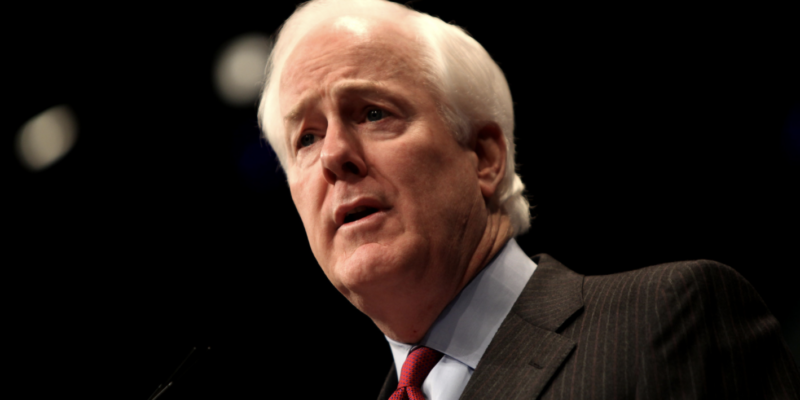

A Senate committee has advanced legislation led by Sen. John Cornyn (R) that would tighten foreign lobbying disclosure requirements and close loopholes that lawmakers say allow adversarial nations such as China, Russia, Iran, North Korea, and Cuba to influence U.S. policy without proper transparency.
What is the PAID OFF Act?
U.S. Sen. John Cornyn, alongside a bipartisan group of senators, announced that the Preventing Adversary Influence, Disinformation and Obscured Foreign Financing (PAID OFF) Act has passed the Senate Foreign Relations Committee.
The legislation seeks to strengthen the Foreign Agents Registration Act (FARA) by requiring individuals and organizations working on behalf of certain foreign governments or commercial entities tied to countries of concern to register and disclose their activities.
Supporters argue the bill would help expose foreign influence campaigns and provide greater transparency into efforts by adversarial nations to shape American policy.
Why are lawmakers pushing for changes?
According to lawmakers, existing FARA regulations have not been significantly updated since the 1990s and contain loopholes that foreign agents can use to avoid registration requirements.
Supporters of the bill point to examples involving Chinese, Russian, and other foreign interests that allegedly use commercial activity exemptions or lobbying disclosure provisions to avoid additional scrutiny while advocating for policies favorable to foreign governments.
What Cornyn is saying
Sen. John Cornyn: "American policy should not in any way reflect the handiwork of foreign adversaries who are actively working to tip the scales in their favor and undermine our interests."
Sen. Cornyn continued: "By exposing the efforts of countries of concern like China or Russia to exert malign influence, this legislation would better safeguard U.S. decision-making."
What would the bill do?
The PAID OFF Act would:
- Require agents working on behalf of Chinese, Russian, Iranian, North Korean, or Cuban governments and commercial entities to register under FARA.
- Close exemptions that currently allow some foreign agents to avoid registration.
- Increase transparency surrounding foreign lobbying and influence campaigns.
- Create a process for updating the list of countries of concern through congressional approval.
- Sunset the legislation after five years unless renewed by Congress.
The Bottom Line
With Senate Foreign Relations Committee approval secured, the PAID OFF Act moves one step closer to becoming law. Supporters say the measure would strengthen transparency requirements for foreign agents and help prevent adversarial governments from quietly influencing U.S. policy through lobbying and advocacy efforts.