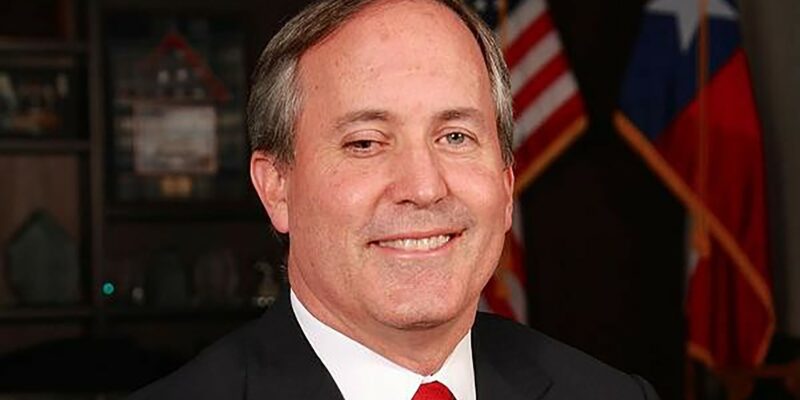

Texas Attorney General Ken Paxton (R) issued an opinion concluding that Austin's electric-ready building requirements conflict with state law by discriminating against natural gas utility services.
The opinion claims the provisions are unenforceable under Texas law.
What is the dispute about?
AG Paxton issued a legal opinion finding that portions of Austin's building energy code conflict with a state law designed to protect against consumer energy choice. The opinion focuses on "electric-ready" requirements adopted by the Austin City Council in April 2025 as part of the city's implementation of the 2024 International Energy Conservation Code.
Under the ordinance, certain residential and commercial buildings that use natural gas appliances for heating, cooking, water heating, or clothes drying must install additional electrical infrastructure that could support future electrification.
Why was the opinion requested?
State Sen. Brian Birdwell requested the opinion after raising concerns that Austin's requirements violated a 2021 Texas law that prohibits local governments from discriminating against utility services based on the type or source of energy used.
The law bars cities from adopting policies that directly or indirectly restrict, limit, or discriminate against utility services such as natural gas.
What did Paxton conclude?
In Opinion No. KP-0521, Paxton determined that Austin's electric-ready requirements have the "purpose, intent, or effect" of discrimination against natural gas utility services.
According to the opinion, requiring additional electrical infrastructure solely because a building uses natural gas creates unequal treatment based on energy source, which conflicts with Texas Utilities Code Section 181.903.
The opinion states: "We therefore conclude that the Utility Code's broad prohibition renders section 8.4.5 of the City's ordinance unenforceable."
What happens next?
Attorney general opinions do not automatically invalidate local ordinances, but they carry significant legal weight and can influence future court challenges.
The opinion is expected to add fuel to the ongoing debate between state and local officials over energy policy, local control, electrification efforts, and the future role of natural gas in Texas.