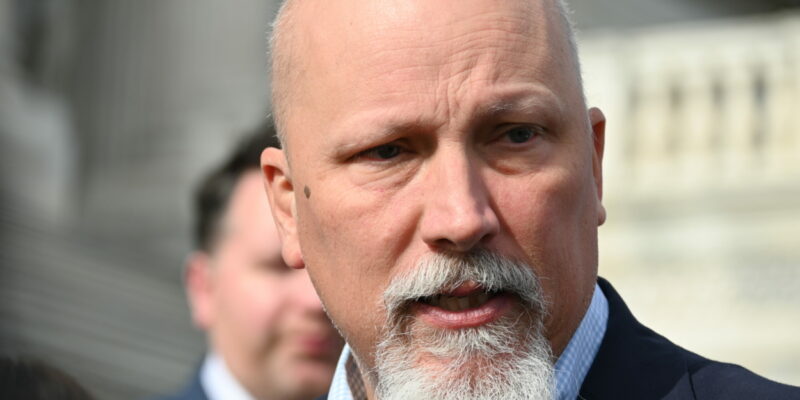

Congressman Chip Roy (R) criticized the Supreme Court's decision in Trump v. Barbara, arguing the Court failed to resolve the constitutional debate over birthright citizenship. Roy is urging Congress to pass legislation clarifying the 14th Amendment and limiting federal recognition of citizenship for children born to parents he says are not subject to U.S. jurisdiction.
What happened?
Following the U.S. Supreme Court's decision in Trump v. Barbara, Rep. Chip Roy issued a statement criticizing the Court's handling of the birthright citizenship dispute.
Rep. Roy argued the Court missed an opportunity to address what he views as the constitutional meaning of the Citizenship Clause in the 14th Amendment.
What is Roy calling for?
Roy urged Congress to take legislative action rather than wait for future court rulings.
Specifically, he called on lawmakers to:
- Define the phrase "subject to the jurisdiction thereof" in the 14th Amendment to tie citizenship status of a child's parents rather than place of birth.
- Restrict federal funding for agencies that provide documentation or legal status to individuals who, he argues, are not subject to the jurisdiction of the United States under that interpretation.
Roy argued that Congress has the authority to address the issue through legislation without amending the Constitution.
What Roy is saying
Rep. Chip Roy: "The Supreme Court, led by Chief Justice Roberts, failed the American people, the Constitution, and the rule of law today-not to mention the national security of the United States."
Rep. Roy continued: "Congress must now immediately do at least two things it should have done long ago."
Roy also said Congress "must not hide behind the fiction that it must amend the Constitution to fix this abuse of our laws."
Why it matters
Birthright citizenship remains one of the nation's most debated constitutional issues. The 14th Amendment states that "all persons born or naturalized in the United States, and subject to the jurisdiction thereof," are U.S. citizens, but lawmakers and legal scholars continue to disagree over how that language should apply in modern immigration policy.
Roy has long advocated for legislation narrowing the interpretation of that constitutional provision.