
As America marked its 250 anniversary last week, lawmakers reflected on the country’s history of innovation while turning their attention to the next wave of technological change: AI.
That legacy was on display in a House Energy and Commerce Committee hearing that pointed to innovation as a driving force for entrepreneurship, job creation and opportunity. But as AI accelerates, lawmakers and policy experts are increasingly divided over its broader effects on young people, workers and everyday consumers.
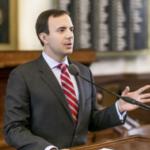
But as new technology creates waves of excitement, Representative Marc Veasey (D-TX) said it also raises doubts.
“It's also creating a lot of anxiety, particularly amongst college graduates,” Rep. Veasey said. “The world is going to be yours, and now it's like they can't find a job, and people are concerned about that.”
Rep. Veasey said he thinks these companies have a responsibility to ensure technology advancements don’t destroy job markets. Neil Chilson, head of AI policy at the Abundance Institute, disagrees.
“Companies have an obligation to create products that solve their consumers' problems, and that’s their primary goal,” Chilson said.
According to Marty Durbin, senior vice president for Policy in the U.S. Chamber of Commerce, the impact of AI on jobs is more complex than just job loss.
“I'm not saying that everything's fine,” Durbin said. “I'm just saying I think that we're starting to see that we may find ways that the technology will not just destroy jobs, [but] it will actually create new opportunities for other jobs.”
As memory chip supply heightens, Rep. Veasey said the concern is now not only how companies building these AI products will impact markets, but whether families can afford the everyday technology they rely on.
“It's going to be important that we identify these critical chip shortages because we know that they will drive prices up and out of the reach of most of our society,” said Jedidah Isler, chief science officer at the Federation of American Scientists.
Isler said Congress must consider how to protect consumers if essential technologies do become unaffordable.
“We've got to find some way to backstop the risk and to provide safety for society,” Isler said.