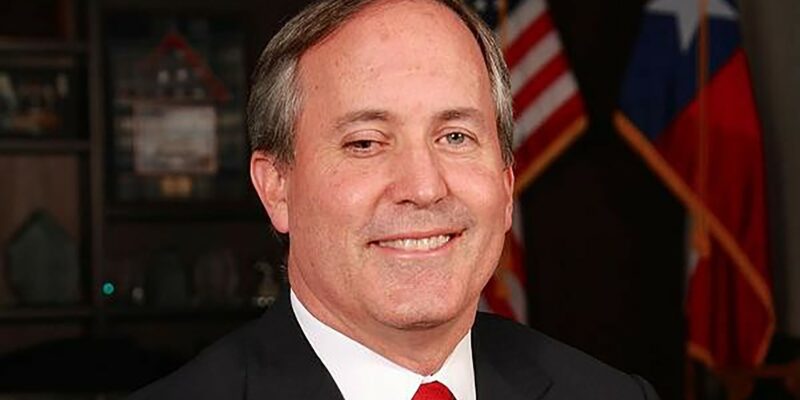

Following the 2024 presidential election, Texas Attorney General Ken Paxton launched a multi-state lawsuit against asset managers Vanguard, State Street and BlackRock, alleging the firms illegally conspired to artificially constrict the coal market through anticompetitive trade practices.
The suit, which has gained momentum this year, alleges the companies weaponized their shares and combined influence “to accommodate ‘green energy’ goals in line with ESG investing.
One of the remedies of Paxton’s suit, if successful, would be to force the defendants to divest their holdings in the coal companies listed in the suit.
Asset managers have faced scrutiny over the years for using ESG criteria in their investment decisions. However, following Texas’ passage of Senate Bill 13 in 2021, championed by Senator Bryan Hughes, support for ESG has waned significantly.
SB 13 resulted in BlackRock being banned from entering into public contracts with the state, but due to the firm’s substantial decreased support for ESG shareholder proposals, as well as its withdrawal from international climate initiatives like Climate Action 100+ and the Net Zero Asset Managers Initiative (NZAMI), Comptroller Glenn Hegar removed the firm from the boycott list this summer – calling the move a “meaningful victory” for Texas.
Paxton’s lawsuit contends that asset managers bought shares in coal companies and imposed stringent environmental restrictions on the firms they partially owned so coal output would decrease while the costs increased. If true, coal companies would have had to be complicit partners with the firms buying their stock, effectively allowing themselves to go bankrupt.
As Stephen Moore put it, “If that tactic worked to make money, Kelloggs would stop making Frosted Flakes so that the price of the last boxes on the grocery store shelves sold for $100.”
Alleging that investment firms, whose mission is to maximize their return on investment, levied influence on coal companies to eventually bankrupt them and kill the industry completely ignores complex energy market realities, namely the rise of natural gas. Coal’s decline has coincided with power generators’ shifted preference to the cheaper and cleaner option that natural gas offers.
While Paxton may have intended to try and protect coal companies from ‘ESG’ by filing this lawsuit, economic experts have warned that the case could actually hurt coal producers and the investments the sector vitally needs.
Pinar Cebi-Wilber, chief economist and executive vice president of the American Council for Capital Formation, recently found that, “By forcing Vanguard, BlackRock, and State Street to fully divest from their holdings, the coal industry would lose nearly $18 billion ($17.9B) in capital – severely undermining President Trump’s goal to revive the American coal industry.”
Despite concerns that Paxton’s crusade will undercut the Trump administration’s energy agenda, the Federal trade Commission (FTC) and Department of Justice (DOJ) have backed the suit, filing a statement of interest in late May.
The decision stands in stark contrast to President Trump’s promise to ‘Make Coal Great Again.’
Should Paxton’s lawsuit be successful, the remedies are likely to hasten coal’s extinction, eliminate jobs for miners, and shutter companies as capital exits their balance sheets.