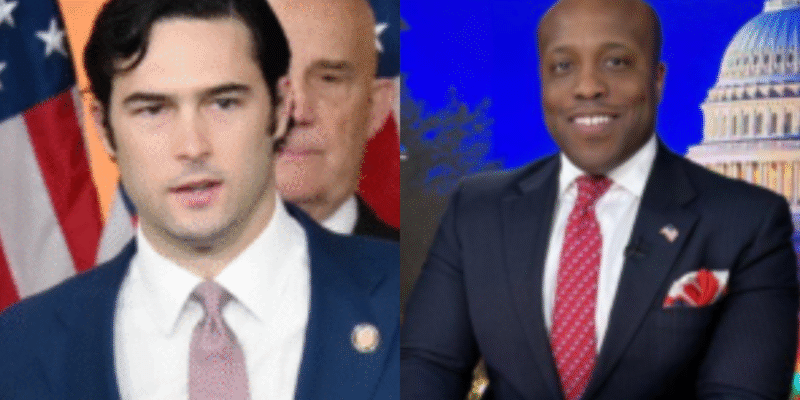

Arizona Congressman Eli Crane (R-AZ) and Texas Congressmen Brandon Gill (R-TX) and Wesley Hunt (R-TX) are throwing their weight behind a bold new bill that would allow the federal government to denaturalize and deport citizens found to have committed or supported acts of terrorism.
The legislation, called the DEPORT Act, was introduced by Congressman Riley Moore (R-WV) following a deadly shooting at Old Dominion University. The attacker, Mohamed Bailor Jalloh, a naturalized U.S. citizen originally from Sierra Leone, had previously served federal prison time for supporting ISIS before killing Army Lieutenant Colonel Brandon Shah and injuring two students.
Rep. Moore also noted two additional incidents in March, a shooting at an Austin bar and a vehicle attack targeting a Michigan synagogue, both allegedly carried out by naturalized citizens.
The bill includes three main provisions. It would require new citizenship applicants to swear under oath that they have no intent to commit terrorism.
It would also extend the window for considering terrorism evidence of citizenship fraud from five to ten years.
Finally, it would create a legal pathway to strip citizenship from individuals involved in lone-wolf attacks.
Addressing the Legislation
Rep. Crane said the legislation addresses a pattern he finds alarming.
"Over recent years, we've seen an alarming increase in naturalized immigrants engaging in or abetting terrorism," he said, adding that the bill would strengthen the naturalization process and give the government a clearer path to remove offenders.
Rep. Gill argued that supporting terrorist organizations should disqualify someone from living in the country, commenting, “We have no room for terrorist sympathizers in our great nation. I am proud to cosponsor Rep. Riley Moore’s DEPORT Act.”
Rep. Hunt echoed the Austin attack, emphasizing that Texans deserve leaders willing to fight for their safety. “This legislation is common sense. It should be a no-brainer,” Hunt said.
Critics of similar legislation have raised concerns in the past about due process and the potential for overreach, though no formal opposition to this specific bill has been publicly stated yet.
As the bill moves through Congress, the debate over immigration is likely to intensify on Capitol Hill.