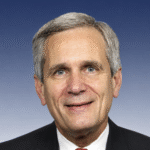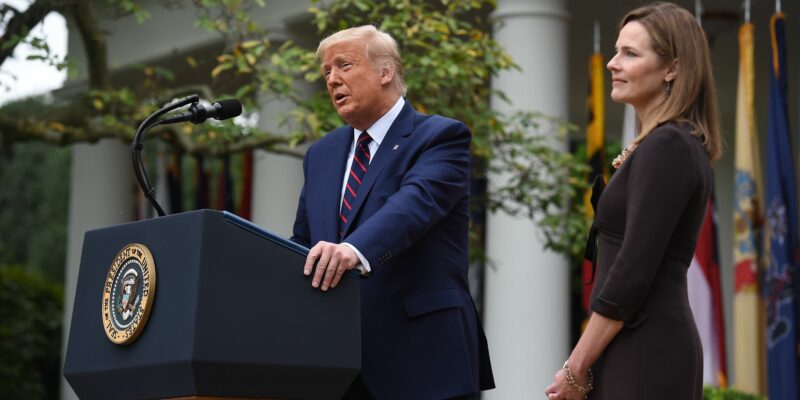

Members of Congress heard from Treasury Secretary Scott Bessent in search of answers regarding President Donald Trump and his family's exemption from future tax audits, with Representative Lloyd Doggett (D-TX) pressing him on whether the exemption remains in effect.
After settling with President Trump over the leak of tax returns, which show he paid no taxes for 10 to 15 years before he first took office, the Internal Revenue Service (IRS) agreed to a deal that created a controversial $1.8 billion “anti-weaponization fund” and barred future audits of Trump and his family.
While Deputy Attorney General Todd Blanche said the Justice Department would roll back the fund amid criticism from lawmakers and federal officials, it remains unclear whether Trump's audit exemption still stands.
Last week, Bessent appeared before both the Senate Finance Committee and the House Ways and Means Committee, where he said he could not provide a clear answer.
"There's continuing litigation, and I'm unable to comment on ongoing litigation," Bessent told Senators.
During the House hearing, Rep. Doggett pressed Bessent on what he called “the most corrupt deal in American history.”
“Truly incredible that a President of the United States could come in and sue the people of the United States for $10 billion and then walk off with an immunity deal that no other American has ever had,” Doggett said.
Rep. Doggett also pointed to an estimation by the Wall Street Journal that Trump earned $5 billion from his crypto bills.
Bessent would not answer Doggett and many other representatives’ questions on whether a similar tax audit exemption has ever been granted to any taxpayer before. He emphasized the reason behind Trump’s original lawsuit against the IRS several times throughout the House hearing.
“Has there ever been a taxpayer who had his tax returns released to his family and every employee?” Bessent asked.
Rep. Doggett said Bessent’s responses before lawmakers were not only unclear, but deceptive.
“Your appearance here today and yesterday in the Senate defines deception, and that's what you're doing to the American people, isn't it?”
A hearing to determine the legality of this exemption and the $1.8 fund is still set for later this week before a federal judge in Florida.