
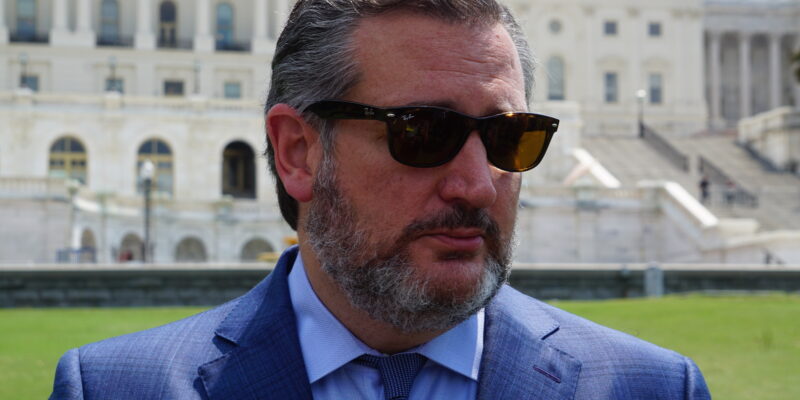

U.S. Senator Ted Cruz (R) has filed an amicus brief urging the Supreme Court of the United States to reverse lower court rulings that blocked the termination of Temporary Protected Status (TPS) for Haiti and Syria.
Sen. Cruz, who chairs the Senate Judiciary Subcommittee on Federal Courts, Oversight, Agency Action, and Federal Rights, is backing the Trump administration's decision to end TPS protections under the Immigration and Nationality Act.
Temporary Protected Status allows nationals from designated countries facing war, disaster, or extraordinary conditions to remain temporarily in the United States. The administration's move to terminate protections for Haiti and Syria has faced multiple legal challenges in federal courts.
In the brief, Cruz sharply criticized lower court judges for what he described as overstepping their constitutional role.
"Article III of the U.S. Constitution authorizes courts to exercise 'neither FORCE nor WILL but merely judgment," the filing states. "Not for the first time, however, the district courts below exercised lots of will and little judgment."
The brief argues that Congress gave the executive branch broad discretion to determine whether countries continue to qualify for TPS and whether extending protections serves the national interests of the United States.
Cruz contends that by blocking the terminations, district courts improperly inserted themselves into matters of immigration policy, foreign affairs, and national security.
"District courts have inserted themselves deep into questions of foreign affairs and national security, and substituted their views of the 'national interest' for those of the Executive Branch," the brief states.
The case could have major implications for the scope of presidential authority over immigration programs and for thousands of migrants currently protected under TPS designations.
Texas has frequently been at the center of legal battles over immigration policy, making Cruz's involvement consistent with broader Republican efforts to expand executive discretion in border and immigration enforcement.
Cruz's filing places him at the forefront of a high-profile immigration fight, as the Supreme Court weighs how much authority presidents have to end humanitarian protections created under federal law.







0 thoughts on “Ted Cruz Urges Supreme Court to Uphold Trump TPS Terminations”