
BATON ROUGE — Every week, Dr. Gil Hebert sees the same scene play out in the clinic. Patients come in struggling with obesity and its cascading consequences—type 2 diabetes, heart failure, hypertension, sleep apnea and crippling joint disease. For the first time in medicine's long fight against the condition, Hebert says, effective pharmacological treatments exist. The problem is that his Medicaid patients often cannot access them.
"Medicine has finally delivered its end of the bargain," Hebert, an internal medicine and obesity medicine physician at Tulane University, tells Texas Politics. "Now it's time for our Legislature to deliver theirs."
Hebert was among the advocates who spoke in favor of Senate Bill 433, sponsored by Senator Gerald Boudreaux, D-Lafayette, which the Senate passed last month. The bill would expand access to GLP-1 drugs for medically necessary obesity treatment. The goal is to address the state's high obesity rate—approximately 40% of adults—by widening access beyond solely diabetes treatment.
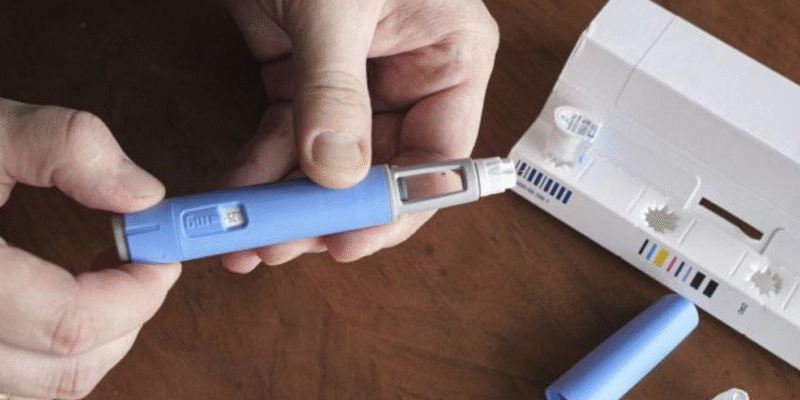
If the bill passes, Louisiana's Medicaid program could expand access to popular weight-loss (anti-obesity) medications such as Wegovy and Zepbound specifically for chronic obesity treatment starting in January 2027. Currently, Medicaid patients can only access these medications if they have specific chronic conditions in addition to obesity, such as severe obstructive sleep apnea, heart attack, or advanced liver disease.
Some stakeholders, including the state’s own health department, caution that the cost of covering these drugs for obesity alone must be considered. However, Hebert argues that the true cost calculation cuts the other way. Louisiana, he says, is already paying dearly for its inaction through hospitalizations for heart attacks and strokes, dialysis for end-stage kidney disease, amputations from uncontrolled diabetes, joint replacement surgeries and long-term care.
Louisiana has a serious obesity problem, with nearly 40% of adults having a body mass index of 30 or higher, according to America's Health Rankings from the United Health Foundation. The state ranks fourth in the country in adult obesity and in childhood obesity, per America’s Health Rankings.
"We don't hesitate to cover expensive chemotherapy regimens or cardiac stents for patients with cancer or heart disease," Hebert notes. "Obesity is no less a disease, and its treatments deserve the same consideration, especially when they reduce the very downstream costs we're already paying. We need to move away from moralizing the disease of obesity and decide if we are serious about treating it."
GLP-1 receptor agonists have transformed what's possible in obesity treatment. Clinical trials show sustained weight loss of 15 to 22 percent of body weight, reductions in cardiovascular events, improvements in blood sugar control and decreased risk of kidney disease.
For Hebert's patients, he says, that translates into lives reclaimed: patients who return to work, keep up with their children and grandchildren and rejoin communities they had quietly withdrawn from as their health declined.
Yet cost concerns still loom, as evidenced by discussions during the April hearing. Seth Gold, Louisiana's Medicaid director, explained at the hearing that the annual cost of a GLP-1 prescription is around $16,000. Therefore, if every potential patient got a prescription, the state would have to pay $35 million. However, Texas Politics notes that it is rare for every eligible individual to receive a prescription.
Additionally, a new federal program could substantially reduce that burden. Gold asserted that the state could expand coverage for just $18 million over an 18-month period if Louisiana opts-in to a GLP-1 savings program negotiated by President Donald Trump. Bruce Greenstein, the Louisiana Health Secretary, said the state intends to apply for the program to lower GLP-1 costs.
"We know that this is a blockbuster drug. We know for many people that it is an absolute life changer," Greenstein said at the hearing. But he acknowledged the tension between medical need and fiscal sustainability, saying the state needs to ensure it can support coverage costs for obesity-related treatment over the long term.
Senator Boudreaux shared that he committed to sponsor this bill after conversations with the American Diabetes Association. During the hearing, Douglas Dunsavage, a lobbyist for ADA, echoed Dr. Hebert's framing of obesity as a medical condition rather than a personal failing. "Importantly, obesity is not simply a matter of personal choice or willpower," Dunsavage said. "It is a chronic relapsing disease that deserves modern medical treatment.”
In conversation with Texas Politics, Hebert calls for a coverage policy focused on patients with the greatest medical need and paired with required lifestyle counseling, a model he describes as both clinically sound and fiscally responsible, in line with approaches taken by other states.
Thirteen states, including Mississippi, currently cover GLP-1 medications for obesity treatment under Medicaid, according to the National Conference of State Legislators.
For Hebert, the math is clear. Treating the root cause, he argues, drives down costs across the system: fewer hospitalizations, fewer specialist visits, more Louisianans healthy enough to stay in the workforce.
"The forthcoming state budget is another opportunity for Louisiana to prioritize access to comprehensive obesity treatment," he says. "Louisiana has a chance through multiple legislative vehicles to invest in our sickest, most vulnerable Medicaid patients before the costs of inaction compound further. I want to see Louisiana be a national leader and set the blueprint for equitable, evidence-based treatment for patients suffering from obesity.”
Senate Bill 433 passed the Senate two weeks ago and will be considered in the House Committee on Health and Welfare. Budget legislation is also making its way through both chambers. While cost remains a consideration, Hebert says the state can’t afford not to consider Medicaid coverage for comprehensive obesity treatment.